
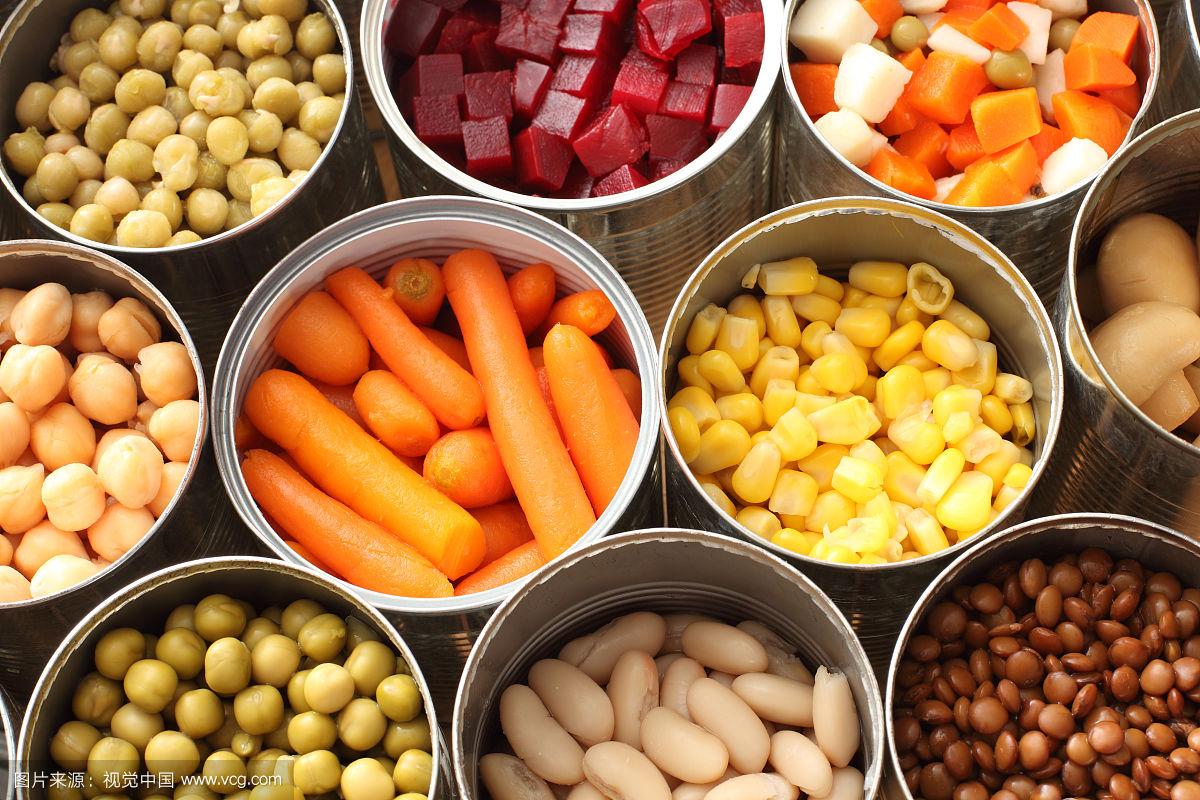
Clean and hygienic, can prevent food from being infected, and can be stored for a long time, generally for more than one year.
The nutrients and flavor change little during the processing process, and the original nutritional value and flavor of the food are largely maintained.
Easy to carry, transport and store, not easy to break.
Most canned foods can be eaten without further processing, which is relatively convenient.
Seasonal production, year-round consumption, regional production, national consumption or export, can play a role in adjusting the supply and demand.
With the improvement of people's living standards, canned vegetables have gradually won the favor of residents in developed countries. As one of the developed countries in the world, Sweden can only grow vegetables with a short growing period such as potatoes, peas, beans, carrots, cucumbers and beets due to its cold climate. Therefore, among the canned vegetables consumed by Swedish residents, only a few varieties such as selected cucumbers and beets are grown and supplied by Sweden, and other varieties of canned vegetables are more dependent on imports.
To enter the Swedish market, canned vegetables must comply with Swedish regulations. After Sweden joined the European Union in 1995, the EU's rules on food (including canned vegetables) labeling, nutritional information, additives and food quality control also apply to Sweden. At the same time, during the transition period, Sweden's relevant regulations will continue to be effective. The Swedish National Food Administration (NFA) has the management function for imported food and is responsible for the quality of food imported from countries outside the EU. Therefore, before signing a purchase contract, Swedish food importers require exporters to ensure that the quality of the goods meets the requirements of the NFA.
According to regulations, the packaging of Swedish imported food must comply with the requirements of the EU. The packaging used for retail must indicate the ingredients, weight, origin, whether it contains additives, colorants and foreign substances, etc. Any food packaging used for retail in the Swedish market must not only meet the special requirements of the importer (such as packaging type, size, design style and label text, etc.), but also meet the following regulations: Swedish label; edible period; storage instructions; ingredient list sorted by weight; net weight or net content; name and address of the production or packaging plant.
In addition, Sweden has also formulated special standards and regulations for bulk goods and raw materials imported by the catering service sector and the food processing industry.
Although there are not many canned vegetables exported from my country to Sweden at present, with the implementation of the export market diversification strategy, the Swedish canned vegetable market with development potential should attract the attention of Chinese companies. If my country's canned vegetable products are to enter the Swedish market, the first thing is to improve quality, build a brand, and rely on good product quality to eliminate Swedish residents' concerns about the quality of canned vegetables; the second is to improve credibility, deliver goods in a timely manner, and meet the market's seasonal requirements for canned vegetables; the third is to continuously expand channels, have extensive contacts with importers, agents and canned vegetable processing companies, and expand canned vegetable export business through multiple channels.

