When you open a beverage can, you‘re interacting with one of the most precisely engineered components in packaging—the SOT (Stay-On-Tab) lid. But not all lids are created equal. Two of the most common sizes in the global beverage industry are 202 and 206 lids. The numbers may look cryptic, but they represent critical specifications that affect everything from sealing performance to equipment compatibility and consumer experience.
When you open a beverage can, you‘re interacting with one of the most precisely engineered components in packaging—the SOT (Stay-On-Tab) lid. But not all lids are created equal. Two of the most common sizes in the global beverage industry are 202 and 206 lids. The numbers may look cryptic, but they represent critical specifications that affect everything from sealing performance to equipment compatibility and consumer experience.
This comprehensive guide explains the differences between 202 and 206 SOT lids, including dimensional standards, material properties, application scenarios, and technical considerations for seaming. Featuring insights from Baixi Industry, a leading integrated aluminum can manufacturer with deep expertise in can making and lid sourcing, this guide will help you make informed decisions for your beverage packaging.
Over the past few decades, through continuous materials science and process optimization, the thickness of the 206 can has been reduced from over 25g to 0.27mm, the weight of the 202 can has been reduced to nearly 13g, and the cap thickness has been reduced from 0.27mm to 0.22mm, achieving material savings of up to 25%.
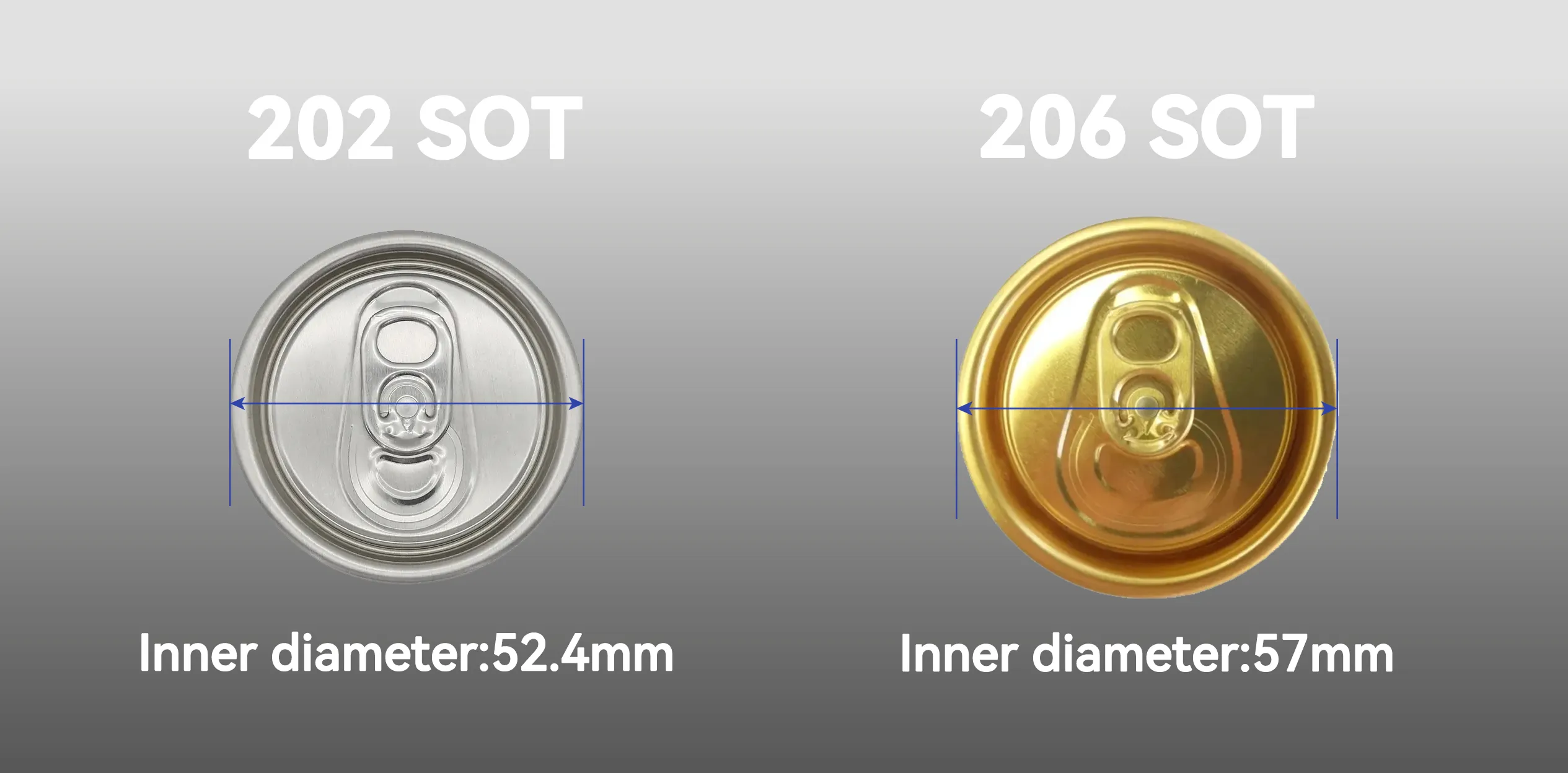
What Do 202 and 206 Mean in Can Lid Specifications?
The Industry Coding System Explained
The “202” and “206” codes follow a standardized measurement system used across the global beverage packaging industry:
- First digit (2) → represents the base inch dimension
- Last two digits (02 / 06) → represent increments of 1/16 inch
- Conversion to metric → critical for engineering precision and tooling compatibility
Why This Matters for Beverage Brands
Choosing the correct lid size directly affects production efficiency and product integrity:
- Ensures accurate matching with can body diameters, avoiding mechanical stress during seaming
- Prevents micro-leakage caused by dimensional mismatch at high-speed filling lines (2000+ CPM)
- Supports global supply chain compatibility, especially when sourcing cans and lids from different regions
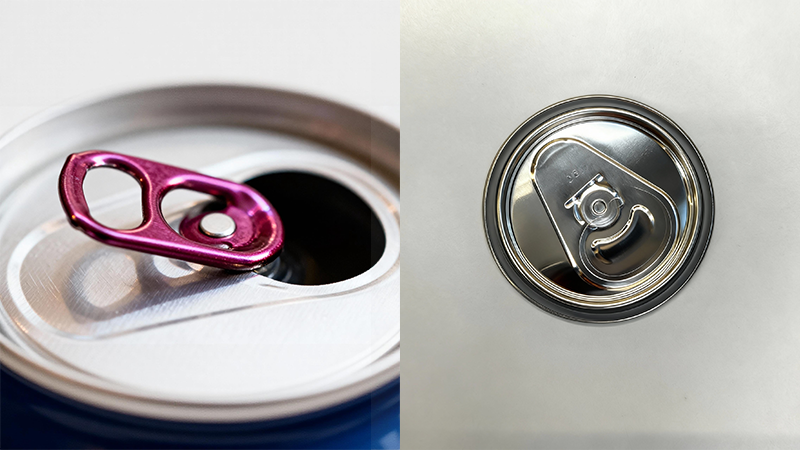
202 vs 206 SOT Lids: Detailed Specification Comparison
Core Differences at a Glance
| Parameter |
202 Lid |
206 Lid |
| Diameter |
~52.5–54 mm |
~57–59 mm |
| Opening Size |
Standard |
Wide mouth |
| Weight |
~2.7g |
~3.3g |
| Pressure Resistance |
High |
Higher (better distribution) |
Practical Differences for Real Production
202 SOT lids advantages
- Lower material consumption for cost optimization
202 lids use less aluminum compared to larger formats, making them ideal for brands focused on reducing packaging costs at scale. This is especially beneficial for high-volume SKUs such as carbonated soft drinks and energy beverages.
- Full compatibility with global standard filling systems
One of the biggest advantages of 202 SOT Soda Can Lids is their universal compatibility. Most filling and seaming lines across North America, Europe, and Asia are calibrated for 202 lids, reducing the need for costly equipment adjustments.
- Higher production efficiency in high-speed lines
Due to their standardized size and lower deformation risk, 202 lids perform exceptionally well in high-speed production environments exceeding 2,000 cans per minute, ensuring stable output and minimal downtime.
- Strong supply chain availability worldwide
As the most commonly used specification, 202 lids are widely available, ensuring shorter lead times and more stable procurement, especially for brands sourcing SOT can lids globally.
206 SOT lids advantages
- Enhanced drinking experience with wide-mouth design
The larger opening of 206 SOT Aluminum Can Lid improves liquid flow, reduces “glugging,” and enhances aroma release, making it ideal for premium beverages like craft beer and functional drinks.
- Better pressure distribution for high-carbonation products
The wider diameter allows internal pressure to be distributed more evenly, reducing the risk of panel deformation, seam stress, and leakage, especially in high-pressure beverages.
- Superior performance in thermal processing conditions
For beverages undergoing pasteurization or hot filling, 206 lids provide greater resistance to thermal expansion and internal pressure spikes, ensuring packaging integrity.
- Premium positioning for brand differentiation
Many beverage brands choose 206 lids to create a more premium look and feel, especially in competitive markets where packaging experience influences purchasing decisions.
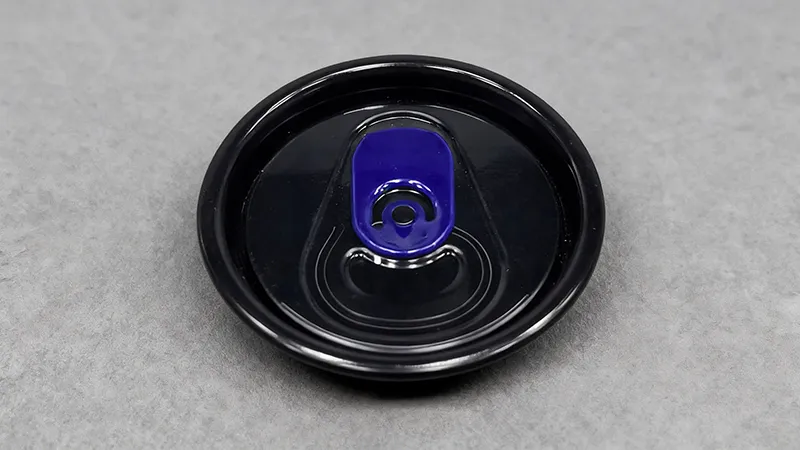
SOT Lid Types: LOE vs SOE and B64 vs CDL
LOE vs SOE (Opening Size)
LOE (Large Opening End)
- Improves liquid flow and reduces back pressure
The larger opening allows beverages to flow smoothly, eliminating the “glugging effect” that can occur with smaller openings, especially in carbonated drinks.
- Enhances sensory experience for premium beverages
LOE designs allow more aroma compounds to be released, making them ideal for craft beer, sparkling beverages, and flavored drinks.
- Supports modern consumer preferences
Today’s consumers increasingly value convenience and experience. LOE lids improve ease of drinking directly from the can, especially in on-the-go scenarios.
- Widely used in high-end packaging strategies
Many premium brands combine LOE with custom-printed SOT can lids to enhance visual identity and shelf appeal.
SOE (Standard Opening End)
- Optimized balance between cost and performance
SOE lids are engineered to deliver reliable sealing performance while maintaining lower production costs, making them suitable for mass-market beverages.
- Global standard compatibility reduces operational risk
Most beverage production lines are optimized for SOE, ensuring smooth integration and minimal technical adjustments.
- Ideal for large-scale beverage production
From soda to RTD coffee, SOE remains the default choice due to its proven reliability and efficiency.
- Simplifies sourcing and supply chain management
Because SOE is widely adopted, sourcing from suppliers of 202 SOT Soda Can Lids is typically faster and more flexible.
B64 vs CDL (Seaming Profile)
When comparing B64 vs CDL seaming profiles, the difference goes far beyond geometry—it directly impacts production efficiency, material usage, and long-term supply chain flexibility.
B64 Profile – The Industry Workhorse
B64 remains the most widely adopted seaming profile globally due to its unmatched compatibility and operational stability.
- Universal machine compatibility
B64 is compatible with the majority of global seaming machines (Angelus, Ferrum, Pneumatic Scale Angelus, etc.), making it the safest choice for brands operating across multiple co-packers or regions.
- Lower technical risk during startup
Because B64 has been standardized for decades, filling operators are highly familiar with its parameters, reducing commissioning time and minimizing early-stage production errors.
- Proven sealing reliability under diverse conditions
From high-carbonation beer to ambient-fill juice products, B64 performs consistently across different pressure ranges and processing environments.
- Flexible sourcing options
Most global suppliers—including integrated providers like Baixi—offer extensive B64-compatible [SOT can lids] options, ensuring supply redundancy.
CDL Profile – Lightweighting & Next-Gen Efficiency
CDL (Compact Double Lock) represents the industry's move toward material efficiency and sustainability-driven design.
- Reduced material consumption
CDL lids use optimized curl geometry, reducing aluminum usage by up to 5–8% compared to traditional profiles—significant at scale.
- Improved stacking & transport efficiency
The compact profile allows tighter pallet configurations, increasing loading density per container.
- Optimized for high-speed modern lines
CDL is designed for newer generation filling lines where precision control allows tighter tolerances.
- Enhanced sustainability positioning
Lower material weight = lower carbon footprint, aligning with ESG goals and retailer sustainability requirements.
⚠️ Note:
- Machine compatibility is not universal
Older seaming equipment may require tooling upgrades.
- Higher setup precision required
CDL demands stricter control of seam parameters (overlap, tightness, thickness).
Practical Recommendation
For most beverage brands—especially exporters—B64 remains the safest default, while CDL is a strategic upgrade for cost optimization at scale.
Working with an integrated supplier like Baixi ensures:
- Seam parameter matching between can body and lid
- Access to both [202 SOT Soda Can Lids] and [206 SOT Aluminum Can Lid] in B64/CDL formats
- Reduced risk of seaming defects across different production environments
Application Scenarios: Which Lid Should You Choose?
Selecting between 202 and 206 SOT lids is not just about size—it’s a multi-variable decision involving pressure, positioning, consumer experience, and regional strategy.
202 SOT Lids – Efficiency Meets Standardization
202 lids are the global standard, offering the best balance between cost, availability, and performance.
Why brands choose 202 lids:
- Lower material cost per unit
Smaller diameter reduces aluminum usage, making it the most cost-efficient option for large-scale production.
- Global availability across supply chains
Easily sourced in North America, Europe, Asia, and the Middle East, reducing supply disruption risks.
- High compatibility with standard can formats
Works seamlessly with Φ211 (66mm) body cans, the most widely used format globally.
- Optimized for high-speed filling lines
Ideal for large beverage manufacturers running millions of cans per day.
Typical applications:
- Carbonated soft drinks (CSD)
- Energy drinks
- RTD coffee
- Standard beer formats
- Functional beverages
👉 Recommended product combination:[202 SOT Soda Can Lids] + 330ml cans
206 SOT Lids – Performance & Premium Experience
206 lids are designed for higher performance and enhanced drinking experience.
Why brands upgrade to 206:
- Higher pressure tolerance
Suitable for beverages requiring ≥650 KPa (beer, high carbonation drinks)
- Improved drinking experience
Larger opening enhances aroma release and liquid flow—critical for craft beverages.
- Better for hot climates & export markets
Larger diameter distributes internal pressure more effectively under high temperatures.
- Premium positioning
Widely used in Asia for juice and energy drinks, associated with higher-end packaging.
Typical applications:
- Craft beer (IPA, high carbonation)
- Juice & functional beverages
- Premium energy drinks
- Dairy-based beverages
👉 Recommended product combination:[206 SOT Aluminum Can Lid] + 355 wide-mouth cans
Decision Matrix
| Factor |
Choose 202 |
Choose 206 |
| Cost sensitivity |
✅ |
❌ |
| High carbonation |
⚠️ |
✅ |
| Premium branding |
⚠️ |
✅ |
| Global availability |
✅ |
⚠️ |
| Drinking experience |
Standard |
Enhanced |
Expert Insight
Integrated manufacturers like Baixi help brands avoid costly mismatches by:
- Matching lid size with internal pressure requirements
- Testing compatibility with filling lines
- Providing bundled sourcing for cans + lids
👉 For product selection support, we recommend contacting us directly for engineer advice.
Decision Guide (Highly Conversion-Oriented)
| Scenario |
Recommended Lid |
Reason |
| Carbonated Soft Drinks |
202 |
Cost-efficient |
| Craft Beer |
206 |
High pressure resistance |
| Juice |
206 |
Wide opening |
| RTD Coffee |
202 |
Standard compatibility |
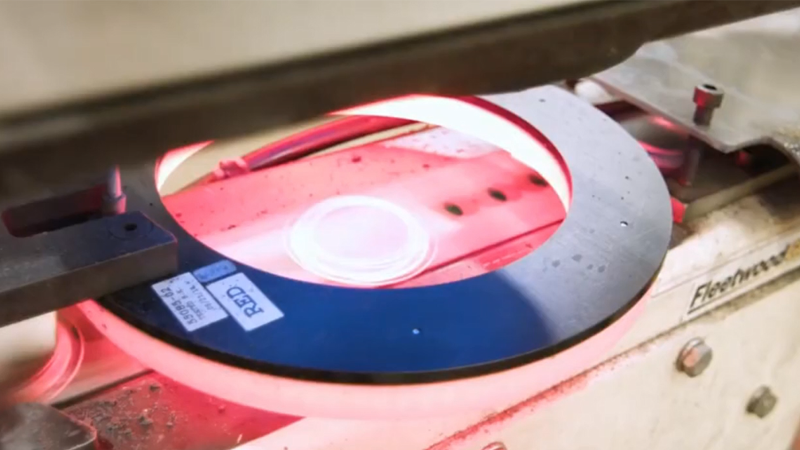
Why Can-to-Lid Compatibility Is Critical
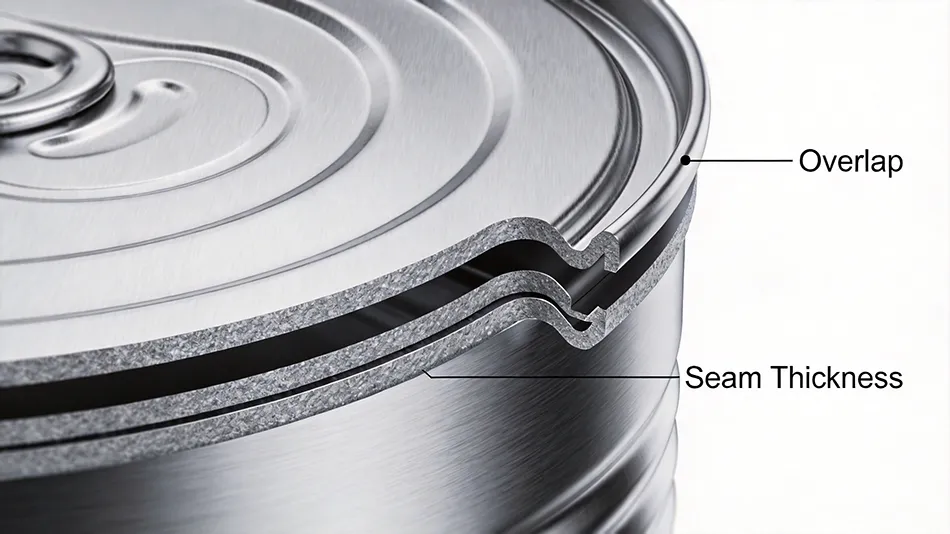
Key Double Seam Parameters Explained
- Cover hook – the primary sealing interface
The cover hook forms the top part of the seam and directly affects how securely the lid attaches to the can body. Poor design can lead to micro-leaks and reduced shelf life.
- Body hook – structural support of the seam
This component must align perfectly with the can body thickness and material properties. Any mismatch can compromise the mechanical strength of the seam.
- Overlap – the core of hermetic sealing
Overlap determines whether the seam is airtight. Insufficient overlap increases the risk of oxygen ingress and carbonation loss, directly impacting product quality.
- Seam thickness – pressure resistance indicator
Proper seam thickness ensures the package can withstand internal pressure during storage, transport, and temperature changes.
Risks of Incorrect Lid Selection
- Higher leakage rates and product loss
Incorrect lid matching can push leakage rates above industry averages (0.3–0.5%), leading to significant financial losses.
- Increased risk of product recalls
Packaging failure may result in contamination or spoilage, triggering costly recalls and brand damage.
- Seaming equipment wear and damage
Mismatched dimensions increase stress on seaming rollers, leading to equipment downtime and maintenance costs.
- Negative consumer experience and brand impact
Difficult opening, leakage, or flat beverages directly affect customer satisfaction and brand perception.
Baixi Quality Assurance
Baixi Industry ensures:
- 100% inline inspection systems
- Full batch traceability from aluminum coil to finished can
- Regular destructive seam testing
👉 Result: defect rates significantly below industry average
Global Sourcing Strategy for SOT Lids
Regional Availability Trends
- North America & Europe → dominated by 202 lids
- Asia → both 202 and 206 widely available
- Emerging markets → increasing demand for 206 lids
Key Sourcing Considerations
- MOQ requirements and order planning
Most manufacturers require minimum orders based on pallets or containers. Working with suppliers like Baixi allows more flexibility when sourcing SOT can lids.
- Lead time management for supply stability
Lead times typically range from 20 to 60 days. Planning ahead ensures continuous production and avoids supply chain disruptions.
- Customization capabilities for branding
Modern lids support advanced customization such as:
- Colored lids for brand identity
- Embossed logos for premium positioning
- QR codes for marketing interaction
- Promotional graphics for campaigns
- Supplier integration level and technical support
Choosing a partner that offers both 202 SOT Soda Can Lids and 206 SOT Aluminum Can Lid ensures better compatibility and technical coordination.
Why Integrated Suppliers Matter
Working with integrated manufacturers like Baixi:
- Single-source responsibility reduces risk
Working with one supplier for cans and lids eliminates disputes over quality issues and ensures accountability.
- Improved compatibility between can body and lid
Integrated production ensures that all parameters—from diameter to coating—are perfectly aligned.
- Faster communication and project execution
Instead of coordinating multiple vendors, brands can streamline operations and reduce delays.
- Better cost control across the supply chain
Bulk procurement and internal coordination help reduce overall packaging costs.
👉 Ready to optimize your packaging solution? Contact Us to get expert recommendations on 202 vs 206 lid selection.
Conclusion – How to Choose Between 202 and 206 Lids
Key Takeaways
- 202 lids are cost-efficient and globally standardized
- 206 lids offer better pressure performance and drinking experience
- Lid selection must consider pressure, process, and market conditions
- Integrated sourcing ensures quality, consistency, and efficiency
Action Steps for Beverage Brands
- Define your beverage’s carbonation and processing requirements
- Select lid size based on application and target market
- Test compatibility with your filling and seaming equipment
- Work with an integrated supplier like Baixi Industry
- Request samples and validate before mass production
FAQ
1. What is the main difference between 202 and 206 SOT lids?
The core difference lies in diameter and application performance:
- 202 lids ≈ 52.5 mm → standard, cost-efficient
- 206 lids ≈ 57 mm → higher pressure tolerance + better drinking experience
In practice:
- Choose 202 for cost efficiency and global scalability
- Choose 206 for premium products and high-pressure beverages
2. Can I use 202 lids for beer or high-carbonation drinks?
Yes—but with limitations.
- For standard lager beer, 202 lids may be sufficient
- For high-carbonation craft beer (IPA, sparkling beverages), 206 lids are strongly recommended
Why?
- Higher internal pressure
- Pasteurization stress
- Temperature fluctuations during transport
👉 Wrong choice may lead to:
- Seam leakage
- Can deformation
- Product spoilage
3. Are 206 lids more expensive than 202 lids?
Yes, but the cost difference is usually justified.
Cost differences include:
- More aluminum material
- Slightly higher logistics cost
- Potential equipment adjustments
However:
- Improved product integrity reduces risk
- Better consumer experience increases brand value
- Lower failure rate reduces long-term costs
4. Should I choose B64 or CDL lids for my beverage?
It depends on your production setup:
Choose B64 if:
- You use co-packers
- You operate in multiple regions
- You want maximum compatibility
Choose CDL if:
- You run high-volume production
- You aim to reduce material cost
- Your equipment supports precision seaming
5. How can I ensure lid compatibility with my can body?
The safest approach is to work with an integrated manufacturer.
Key steps:
- Match lid diameter with can body (202 vs 206)
- Verify seaming parameters (overlap, thickness)
- Test on actual filling line
- Request batch-level traceability