
For aluminum can importers and beverage brands, pricing is no longer just a number—it is a risk management decision. As aluminum prices continue to fluctuate due to energy costs, supply chain disruptions, and geopolitical uncertainty, choosing between a Fixed price contract and a Floating price contract has become a critical part of procurement strategy.
This guide explains how Aluminum can pricing works in real-world OEM sourcing, compares fixed and floating pricing models, and helps importers determine which approach best supports cost control, supply stability, and long-term growth—especially when sourcing from experienced manufacturers like Baixi Cans.
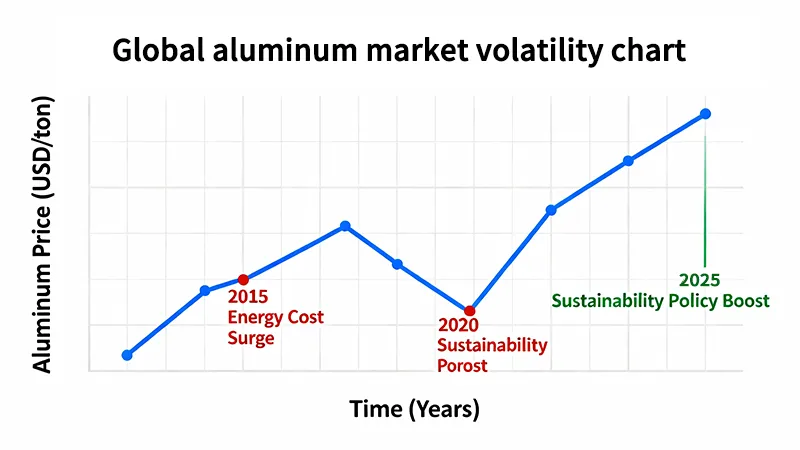
Aluminum can pricing is influenced by more than just raw material costs. While primary aluminum prices (often linked to LME trends) play a major role, other cost components are equally important.
For an Aluminum can importer, understanding this cost structure is essential before choosing any pricing model.
In stable markets, pricing models may seem secondary. However, in volatile conditions, the wrong contract structure can expose importers to sudden cost spikes or supply disruptions.
A well-chosen pricing model helps:

A fixed price contract locks in the aluminum can price for a defined period, regardless of fluctuations in raw aluminum markets. The supplier absorbs short-term price volatility, while the importer gains cost certainty.
This model is commonly used by brands with stable demand and clear annual procurement plans.
Fixed pricing offers strong financial predictability, especially for established beverage brands.
This model is particularly effective for high-volume standard products such as 330ml soda cans, where demand is consistent and specifications are stable.
Despite their advantages, fixed price contracts are not always optimal.

A Floating price contract adjusts aluminum can pricing based on changes in raw aluminum costs, often linked to a recognized index or agreed formula. This model shares price risk between the importer and the manufacturer.
Floating pricing is increasingly popular among agile brands and cost-sensitive importers.
Floating pricing aligns procurement costs more closely with real market conditions.
For smaller formats or niche products such as 250ml soda cans, floating pricing can offer better cost efficiency during periods of market softness.
Floating price contracts require stronger procurement discipline.

|
Aspect |
Fixed Price Contract |
Floating Price Contract |
|
Cost predictability |
High |
Low–Medium |
|
Flexibility |
Low |
High |
|
Risk exposure |
Supplier bears risk |
Shared risk |
|
Budget planning |
Simple |
Requires active management |
|
Best for |
Large, stable brands |
Agile or cost-sensitive importers |
Risk premium built into initial pricing
To compensate for future uncertainty, manufacturers typically include a buffer in fixed-price offers, which can result in a higher starting price compared with floating models during stable or declining aluminum markets.
Limited upside during market downturns
If aluminum prices fall significantly, importers under fixed contracts cannot immediately benefit from lower raw material costs, potentially making their packaging costs less competitive than spot-market buyers.
Higher commitment requirements
Fixed price contracts usually require minimum order quantities or volume guarantees, which may reduce flexibility for importers with uncertain demand or rapidly changing SKU portfolios.
Closer alignment with real-time aluminum market conditions
Floating pricing adjusts according to agreed aluminum indices or formulas, ensuring that can prices reflect current raw material costs rather than assumptions made months in advance.
Potential for meaningful short- to mid-term cost savings
During periods of aluminum price softness or downward trends, floating contracts allow importers to capture immediate cost reductions, improving competitiveness and cash-flow efficiency.
Greater flexibility for growing or seasonal beverage brands
Floating pricing is well suited for brands with fluctuating demand, multiple SKUs, or promotional campaigns, where long-term volume commitments may be difficult to predict.
Higher exposure to aluminum price volatility
Importers bear a greater share of market risk, meaning sudden aluminum price increases can quickly translate into higher procurement costs without built-in protection.
More complex budgeting and forecasting requirements
Finance teams must actively monitor aluminum price movements and model multiple scenarios, increasing planning complexity compared with fixed-price structures.
Strong reliance on supplier transparency and trust
Successful floating pricing depends on clear formulas, reliable benchmark data, and open communication with the aluminum can supplier to avoid disputes or misunderstandings.
Direct manufacturers like Baixi Cans can support both models under transparent and well-structured agreements.
Pricing adjustment mechanisms
Importers should clearly define how prices are adjusted, including reference indices, calculation formulas, review frequency, and any caps or floors designed to limit extreme price fluctuations over the contract term.
Volume commitments and flexibility clauses
Long-term contracts should balance minimum volume guarantees with reasonable flexibility, allowing adjustments for demand changes, new product launches, or market expansion without excessive penalties.
Quality specifications and compliance standards
Detailed definitions of food-grade coatings, printing tolerances, inspection criteria, and acceptance standards help prevent disputes and ensure consistent quality across all shipments and markets.
Delivery schedules and lead-time agreements
Clear expectations around production lead times, shipping windows, and buffer inventory protect supply continuity during peak seasons or periods of logistics disruption.
Risk-sharing and force majeure provisions
Well-structured clauses covering raw material shortages, energy cost shocks, regulatory changes, or force majeure events enable both parties to manage unforeseen risks more transparently and fairly.
Scenario-based forecasting instead of point predictions
Effective procurement planning focuses on preparing for price ranges and volatility scenarios rather than attempting to predict exact aluminum prices, which are inherently uncertain.
Combining historical data with supplier insight
Importers benefit most when market data is combined with manufacturer input based on real production costs, capacity utilization, and raw material procurement experience.
Aligning forecast horizons with contract duration
Short-term forecasts are better suited for floating pricing, while longer-term trend analysis supports fixed or hybrid contract decisions.
Greater pricing transparency and traceability
Direct manufacturers can clearly explain how raw aluminum prices, conversion costs, and value-added processes affect final can pricing, reducing information gaps common with intermediaries.
Faster operational and pricing response
Without distributor layers, direct manufacturers can adjust production plans, pricing structures, and delivery schedules more quickly when aluminum markets or demand conditions change.
Stronger long-term alignment and risk sharing
Direct factory relationships encourage joint planning, capacity reservation, and shared responsibility for cost control, rather than short-term, price-only transactional behavior.
To discuss pricing models and contract structures, visit Contact Us.

There is no universal answer. Fixed pricing suits importers who value budget stability, while floating pricing benefits those willing to manage volatility for potential cost savings.
Yes. Many importers use hybrid contracts or renegotiate pricing models as market conditions and order volumes change.
Baixi Cans works directly with importers to design transparent pricing structures—fixed, floating, or hybrid—based on order volume, can specifications, and long-term cooperation goals.

