Volatile aluminum prices have become a long-term reality rather than a short-term fluctuation. For beverage brands that rely heavily on aluminum cans, raw material price swings directly affect packaging costs, margin stability, and supply continuity. In this environment, the key question is no longer whether aluminum prices will rise again, but how brands can hedge aluminum price risks in a practical and controllable way.
Volatile aluminum prices have become a long-term reality rather than a short-term fluctuation. For beverage brands that rely heavily on aluminum cans, raw material price swings directly affect packaging costs, margin stability, and supply continuity. In this environment, the key question is no longer whether aluminum prices will rise again, but how brands can hedge aluminum price risks in a practical and controllable way.
One of the most effective—and often underestimated—strategies is building long-term OEM partnerships with a professional aluminum can manufacturer. Instead of treating can procurement as a transactional purchase, leading brands increasingly view OEM suppliers as strategic risk-sharing partners.
As an experienced aluminum can OEM supplier, Baixi Cans supports beverage brands worldwide in navigating aluminum price cycles through structured cooperation, transparent pricing, and scalable production models.
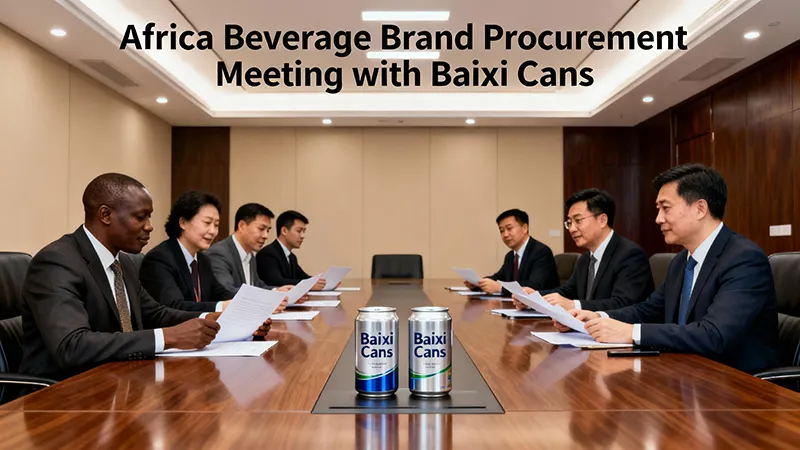
Understanding Aluminum Price Risk in Beverage Packaging
Before hedging aluminum price risks, beverage brands must clearly understand how these risks manifest across the packaging supply chain. Aluminum price volatility not only influences raw material cost—it also affects supplier behavior, production planning, and long-term commercial negotiations.
Why Aluminum Price Volatility Is a Structural Issue
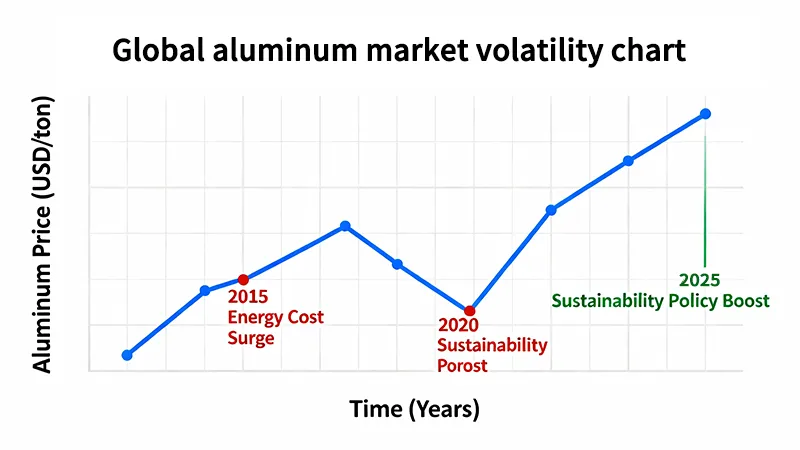
Aluminum pricing is influenced by energy markets, sustainability policies, global demand growth, and geopolitical factors. These forces are structural rather than cyclical, meaning volatility is likely to persist over multiple years rather than normalize quickly.
- Energy-driven cost sensitivity: Aluminum smelting is highly electricity-intensive, so fluctuations in power prices—especially under global energy transitions—directly translate into unstable aluminum production costs that are difficult to hedge through short-term measures alone.
- Sustainability-driven demand growth: As beverage brands, automotive manufacturers, and renewable energy projects all increase aluminum usage, structural demand growth continues to place upward pressure on prices even during economic slowdowns.
- Geopolitical and trade uncertainty: Export controls, sanctions, and regional conflicts disrupt supply chains, making aluminum pricing increasingly sensitive to non-market factors beyond traditional supply-and-demand cycles.
How Aluminum Price Risk Reaches Beverage Brands
Aluminum price risk reaches beverage brands through multiple channels, often compounding its overall impact on profitability.
- Direct impact on aluminum can procurement cost: As raw aluminum represents a major component of can pricing, price increases are quickly reflected in quotations from can suppliers, particularly for spot or short-term orders.
- Indirect impact through coatings, inks, and logistics: Rising aluminum prices often coincide with higher energy and oil-related costs, increasing the prices of internal coatings, printing inks, and transportation.
- Budgeting and forecasting uncertainty: Frequent aluminum price changes make it difficult for procurement teams to lock annual budgets, increasing financial risk and internal approval complexity.
Why Transactional Buying Fails During Price Volatility
Many beverage brands still rely on short-term, spot-based purchasing strategies. While this approach may work in stable markets, it becomes increasingly risky when aluminum prices fluctuate sharply.
Limitations of Spot Purchasing Aluminum Cans
Spot purchasing prioritizes immediate price comparison but often ignores long-term stability and supply security.
- High exposure to sudden price increases: Brands purchasing on the spot market absorb the full impact of aluminum price spikes, leaving little room for cost smoothing or strategic adjustment.
- Lower supplier commitment during tight capacity: Spot buyers are typically deprioritized when production capacity is constrained, increasing the risk of delays or supply interruptions.
- Inconsistent cost structures: Constant price renegotiation makes it harder for brands to manage margins and maintain stable pricing with distributors or retailers.
The Hidden Cost of Supplier Switching
Frequent supplier switching may appear cost-effective on paper but often creates hidden operational risks.
- Quality inconsistency across batches: Different aluminum can factories may use varying alloys, coatings, or process controls, leading to inconsistency that affects filling performance or shelf life.
- Repeated onboarding and validation cycles: Each new supplier requires sampling, testing, and approval, increasing time-to-market and internal workload.
- Higher coordination and communication costs: Managing multiple short-term suppliers increases complexity and distracts procurement teams from strategic planning.
OEM Partnerships as a Strategic Hedging Tool
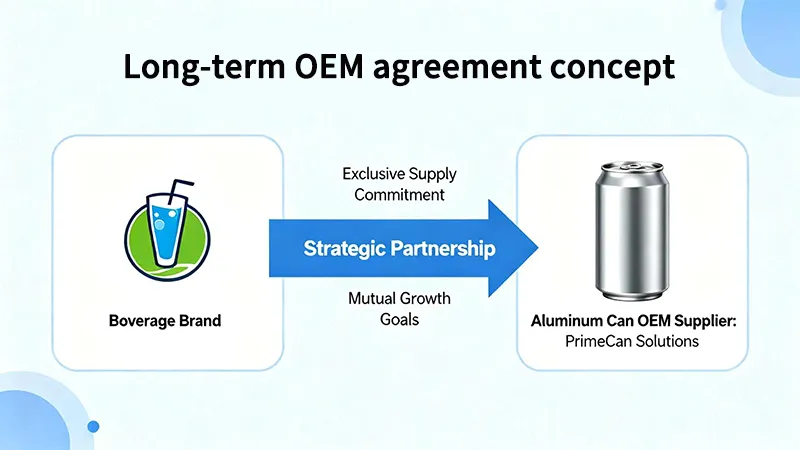
Long-term OEM partnerships offer beverage brands a more resilient and predictable approach to managing aluminum price risks.
How OEM Partnerships Stabilize Aluminum Can Procurement
OEM partnerships transform aluminum can sourcing from a transactional activity into a structured, cooperative process.
- Volume aggregation and production planning: OEM suppliers consolidate demand across multiple clients, improving their ability to secure raw aluminum under more stable terms and pass those benefits to long-term partners.
- More predictable pricing mechanisms: Long-term agreements often include indexed or formula-based pricing, reducing exposure to sudden market swings.
- Priority capacity allocation: Strategic OEM partners typically receive guaranteed or prioritized production slots, improving supply continuity during peak seasons.
Transparent Pricing and Cost-Sharing Models
Professional OEM suppliers provide greater cost transparency, which is essential for effective risk management.
- Indexed pricing linked to aluminum benchmarks: Pricing tied to recognized aluminum indices reduces uncertainty and improves trust between brands and suppliers.
- Defined adjustment mechanisms: Pre-agreed pricing formulas prevent ad-hoc negotiations and sudden cost surprises.
- Shared efficiency gains: Operational improvements achieved by the OEM—such as reduced scrap rates—can be reflected in more competitive long-term pricing.
MOQ and Specification Flexibility Under OEM Models
OEM cooperation allows brands to manage demand uncertainty without excessive inventory risk.
- Flexible MOQ structures: OEM partners can support phased purchasing plans that align with market growth rather than forcing overcommitment.
- Standard size optimization: Popular formats like 250ml soda can and 330ml soda can benefit from higher production efficiency and more stable pricing.
- Specification stability reduces waste: Consistent designs and materials improve yield rates and reduce aluminum scrap.
Operational Strategies OEM Partners Use to Offset Aluminum Price Increases
Beyond pricing mechanisms, OEM manufacturers play a direct role in mitigating aluminum price pressure through operational excellence.
Lightweighting and Material Efficiency
Reducing aluminum usage per can is one of the most effective long-term cost-control strategies.
- Optimized can wall thickness: Engineering improvements allow material reduction without compromising strength or filling line compatibility.
- Advanced forming technology: Precision forming reduces defects and minimizes aluminum loss during production.
- Continuous process improvement: Incremental efficiency gains compound over large production volumes, generating meaningful cost savings.
Supply Chain Optimization and Inventory Management
OEM partners manage upstream risks more efficiently than individual brands.
- Diversified aluminum sourcing: Multiple raw material channels reduce dependence on any single supplier or region.
- Strategic inventory buffering: Controlled stock levels help absorb short-term supply disruptions or price spikes.
- Logistics optimization: Consolidated shipping and optimized routing reduce total landed costs.
Quality Control as a Cost-Control Tool
Strong quality management directly supports cost stability.
- Lower defect and rejection rates: Reducing waste becomes more critical as aluminum prices rise.
- Stable batch consistency: Consistency minimizes line stoppages and downstream losses for beverage brands.
- Traceability and fast issue resolution: Clear records enable quick corrective actions, preventing large-scale losses.
Long-Term Benefits of OEM Partnerships Beyond Price Hedging
While aluminum price risk management is a key motivation, OEM partnerships deliver broader strategic advantages.
Improved Forecasting and Budget Stability
Long-term cooperation enhances financial planning accuracy.
- Joint demand forecasting: Collaborative planning aligns production with real market demand.
- Smoother cost curves: Gradual price adjustments replace sudden budget shocks.
- Better internal decision-making: Predictable packaging costs support long-term growth strategies.
Faster Market Response and SKU Expansion
OEM partners help brands stay agile.
- Faster rollout of new SKUs: Existing tooling and processes shorten development timelines.
- Consistent quality across regions: Standardized production supports global expansion.
- Scalable capacity: OEM partners grow alongside brand demand without disruption.
Stronger Sustainability and Brand Positioning
OEM suppliers increasingly support ESG objectives.
- Higher recycled aluminum content: Reduces carbon footprint and supports sustainability claims.
- Energy-efficient production processes: Lower emissions per unit improve environmental performance.
- Credible sustainability communication: Transparent data strengthens brand trust with consumers and regulators.
Conclusion: Hedging Aluminum Price Risk Starts with the Right OEM Partner
In an era of persistent aluminum price volatility, beverage brands must move beyond short-term purchasing tactics. OEM partnerships provide a practical, scalable, and sustainable way to hedge aluminum price risks while ensuring consistent quality and supply continuity.
By working with a professional aluminum can OEM supplier like Baixi Cans, brands can transform aluminum price volatility from a threat into a manageable variable within a long-term growth strategy.
To explore how OEM partnerships can stabilize your aluminum can procurement, please visit Contact Us.
FAQ
Q1: Can OEM partnerships fully eliminate aluminum price risk?
OEM partnerships cannot completely eliminate aluminum price risk, but they significantly reduce its impact by smoothing price fluctuations, improving cost transparency, and ensuring supply stability through long-term planning.
Q2: Are long-term OEM contracts suitable for small or growing beverage brands?
Yes. Many OEM suppliers offer flexible MOQs and phased cooperation models, allowing growing brands to benefit from structured pricing and supply stability without excessive upfront commitment.
Q3: How do OEM partnerships compare to financial hedging tools?
Unlike financial hedging, OEM partnerships address both cost volatility and operational risk, making them a more practical and comprehensive solution for most beverage brands.