As global inflation, energy volatility, and supply chain restructuring continue to reshape the commodities market, aluminum price increase has become a critical concern for beverage brands, importers, and packaging decision-makers. Aluminum is not only a traded metal—it is the structural backbone of modern beverage packaging.
As global inflation, energy volatility, and supply chain restructuring continue to reshape the commodities market, aluminum price increase has become a critical concern for beverage brands, importers, and packaging decision-makers. Aluminum is not only a traded metal—it is the structural backbone of modern beverage packaging.
For companies involved in Aluminum can procurement, understanding how aluminum price fluctuations affect beverage packaging cost, supply stability, and long-term sourcing strategy is no longer optional. It is a core part of procurement risk management.
As an experienced aluminum can manufacturer and OEM partner, Baixi Cans works closely with global beverage brands to help them navigate aluminum price cycles while maintaining packaging quality, cost control, and supply continuity.
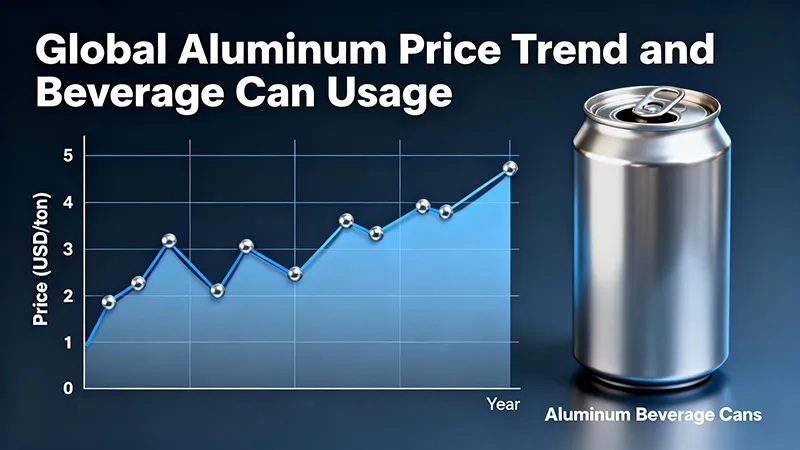
Why Are Global Aluminum Prices Increasing?
The recent increase in aluminum prices is not driven by a single factor. Instead, it reflects a convergence of structural, economic, and geopolitical forces.
Energy Costs and Aluminum Smelting
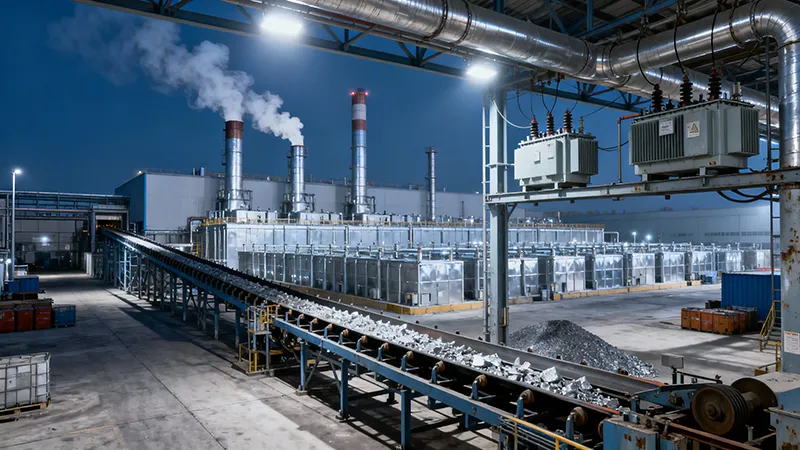
Aluminum production is extremely energy-intensive. Rising electricity prices—especially in regions dependent on fossil fuels or those transitioning to new energy grids—have directly increased aluminum smelting costs.
- Higher electricity tariffs increase production costs: Energy can account for up to 40% of primary aluminum production costs, making smelters highly sensitive to power price volatility.
- Smelter capacity reductions: In some regions, high energy prices have forced smelters to curtail output, tightening global supply.
- Long-term cost pressure: Even when energy prices stabilize, long-term power contracts reset at higher baselines, sustaining aluminum price pressure.
Supply Chain Disruptions and Geopolitical Factors
Global aluminum supply chains remain vulnerable to geopolitical tensions, trade policies, and logistics disruptions.
- Export restrictions and sanctions: Policy changes affecting major aluminum-producing regions can quickly impact global availability.
- Logistics and shipping volatility: Container shortages and freight cost fluctuations add indirect pressure to aluminum pricing.
- Inventory hoarding and market speculation: Uncertainty often leads to stockpiling, amplifying short-term price spikes.
Growing Demand from Sustainability Trends
Aluminum’s recyclability has made it a preferred material under global sustainability initiatives.
- Rising demand from beverage and food packaging: Brands are shifting away from plastic toward aluminum cans.
- Competition from EV and renewable sectors: Electric vehicles, solar frames, and energy storage systems all compete for aluminum supply.
- Long-term structural demand growth: Sustainability-driven demand keeps aluminum prices elevated even during economic slowdowns.
Impact of Aluminum Price Increase on Beverage Packaging Cost
For beverage brands, aluminum price movements directly translate into changes in beverage packaging cost.
Direct Cost Impact on Aluminum Can Procurement
Raw aluminum typically represents a significant portion of aluminum can production costs.
- Material cost sensitivity: Even small percentage increases in aluminum prices can materially affect per-can pricing at scale.
- Immediate impact on spot purchases: Brands relying on spot purchasing are exposed to short-term price volatility.
- Budget forecasting challenges: Unstable aluminum pricing complicates annual procurement planning.
Indirect Cost Pressures Beyond Raw Material
Aluminum price increases often coincide with broader cost inflation across the supply chain.
- Higher coating and ink costs: Many auxiliary materials are petroleum- or energy-linked.
- Increased logistics expenses: Fuel price volatility affects inland transport and international shipping.
- Financing and inventory carrying costs: Higher material values increase working capital requirements.
Price Transmission to Beverage Brands
Not all cost increases are passed through equally.
- OEM pricing mechanisms matter: Transparent pricing models help brands understand cost drivers.
- Volume and contract structure influence impact: Long-term partners often enjoy smoother price adjustments.
- Brand positioning constraints: Retail pricing pressure may limit the ability to pass costs to consumers.
Aluminum Can Procurement Strategies Under Price Volatility
Smart procurement strategy is the most effective tool for managing aluminum price risk.
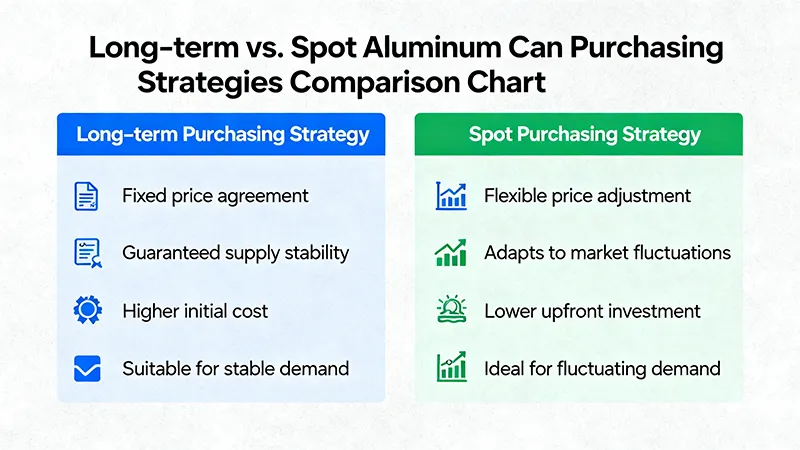
Long-Term vs. Spot Purchasing Aluminum Cans
Choosing between long-term contracts and spot buying has become a strategic decision.
- Spot purchasing offers flexibility but higher risk: Short-term buys expose brands to price spikes during market volatility.
- Long-term contracts improve cost predictability: Fixed or indexed pricing smooths budget planning.
- Hybrid models reduce risk: Many brands combine baseline long-term volumes with flexible spot purchases.
Supplier Collaboration and Cost Transparency
Strong supplier relationships help brands manage cost increases more effectively.
- Early price trend communication: OEM partners can provide forward-looking market insights.
- Cost breakdown transparency: Understanding raw material versus processing cost improves decision-making.
- Joint forecasting and capacity planning: Collaboration reduces supply disruptions during peak demand.
Design and Specification Optimization
Packaging design choices directly influence aluminum usage.
- Lightweighting without compromising strength: Optimized can structures reduce aluminum consumption per unit.
- Standardized sizes for efficiency: Popular formats like 250ml soda can and 330ml soda can benefit from scale efficiencies.
- Avoiding unnecessary complexity: Simplified specifications lower production and scrap costs.
Cost-Saving Strategies for Beverage Packaging
While aluminum price increases are unavoidable, their impact can be managed.
Leveraging OEM Scale and Efficiency
Experienced OEM manufacturers help offset material cost increases through operational efficiency.
- Economies of scale in raw material sourcing: Large OEMs negotiate better aluminum supply terms.
- Process optimization: High-speed lines reduce unit processing costs.
- Lower defect and scrap rates: Strong quality control minimizes material waste.
Inventory and Demand Planning
Better planning reduces exposure to price volatility.
- Demand forecasting accuracy: Aligns production schedules with actual market needs.
- Strategic safety stock: Buffers short-term price or supply shocks.
- Avoiding overstock risk: Prevents capital lock-up at peak aluminum prices.
Market-Specific Packaging Decisions
Not all markets require the same packaging strategy.
- Tiered packaging approaches: Premium and mass-market SKUs may justify different cost structures.
- Regional sourcing optimization: Balancing proximity and cost efficiency.
- Lifecycle cost evaluation: Considering recycling value and logistics efficiency.
Future Trends in Aluminum Can Supply Chain
Understanding future trends helps brands prepare beyond short-term price cycles.
Increased Use of Recycled Aluminum
Secondary aluminum reduces dependence on primary smelting.
- Lower energy footprint: Recycling uses significantly less energy.
- More stable cost structure: Scrap-based supply is less volatile.
- Stronger sustainability credentials: Aligns with brand ESG goals.
Digitalization and Procurement Intelligence
Data-driven procurement is becoming standard.
- Real-time price monitoring: Improves purchasing timing decisions.
- Supplier performance analytics: Enhances long-term partner selection.
- Integrated ERP and forecasting tools: Improve supply chain resilience.
Strategic Partnerships Over Transactional Buying
The future favors collaboration.
- Long-term OEM partnerships: Provide stability amid volatility.
- Joint cost-reduction initiatives: Shared efficiency gains benefit both sides.
- Resilient supply networks: Reduce disruption risk.
Conclusion: Turning Aluminum Price Volatility into a Strategic Advantage
Global aluminum price increases present real challenges for beverage brands—but also opportunities for those with the right procurement strategy. By understanding cost drivers, selecting the appropriate purchasing model, and collaborating closely with experienced OEM partners, brands can maintain their margins while ensuring supply continuity.
As a trusted aluminum can manufacturer, Baixi Cans helps clients manage Aluminum can procurement through transparent pricing, scalable production, and long-term partnership thinking.
To discuss cost-optimized aluminum can solutions for your brand, please visit Contact Us.
FAQ
Q1: How quickly do aluminum price increases affect aluminum can pricing?
Aluminum price changes can affect can pricing relatively quickly, especially for spot purchases. Long-term contracts may either delay or mitigate the impact, depending on the pricing mechanisms.
Q2: Is long-term aluminum can procurement always cheaper?
Not always cheaper in the short term, but long-term procurement offers greater cost predictability and protection against sudden price spikes, which is critical for budgeting stability.
Q3: Can packaging design really reduce the impact of aluminum price increases?
Yes. Lightweighting, standard sizes, and simplified specifications can significantly reduce aluminum usage per unit, helping offset higher raw material costs over time.