When aluminum prices surge, procurement pressure increases across the beverage industry. Faced with shrinking margins and rising raw material costs, many beverage brands instinctively search for the cheapest aluminum can supplier available. At first glance, low prices appear to offer immediate relief. However, in volatile markets, choosing the lowest-cost supplier often introduces hidden risks that outweigh short-term savings.
When aluminum prices surge, procurement pressure increases across the beverage industry. Faced with shrinking margins and rising raw material costs, many beverage brands instinctively search for the cheapest aluminum can supplier available. At first glance, low prices appear to offer immediate relief. However, in volatile markets, choosing the lowest-cost supplier often introduces hidden risks that outweigh short-term savings.
For brands sourcing from overseas or operating in highly competitive retail channels, these risks become even more pronounced during aluminum price volatility. As a professional aluminum can manufacturer, Baixi Cans works with global beverage brands to help them understand why value over price is the only sustainable procurement strategy—especially when raw material costs are rising.

Why the Cheapest Aluminum Can Supplier Looks Attractive—But Isn’t
During periods of aluminum price increase, procurement teams are under pressure to demonstrate cost control. This environment makes low-cost quotations particularly tempting, even when warning signs are present.
Short-Term Price Focus vs. Long-Term Packaging Risk
- Lowest unit price hides future operational exposure: Cheap aluminum can offers typically focus only on per-can pricing, ignoring downstream risks such as filling line inefficiency, higher defect rates, and increased internal quality inspections. Over time, these hidden issues add operational costs that quietly erode the original price advantage.
- Price-driven decisions ignore lifecycle cost: Beverage packaging should be evaluated through total cost of ownership, not just initial purchase price. Low-cost aluminum cans may introduce higher rejection rates, increased storage waste, and costly reorders, all of which inflate real procurement cost beyond the invoice value.
- Procurement pressure amplifies decision bias: During aluminum price surges, procurement teams often prioritize immediate budget relief, unintentionally shifting risk to production, quality, and logistics departments. This internal cost transfer creates friction across teams and weakens overall supply chain resilience.
Why Cheap Quotes Appear During Aluminum Price Surges
- Suppliers cut margins by cutting corners: When aluminum prices rise, low-cost suppliers often protect margins by reducing coating thickness, using less stable alloys, or lowering inspection standards. These compromises may not be immediately visible but surface later as filling problems or shelf-life issues.
- Short-term pricing tactics to secure cash flow: Some suppliers offer aggressively low pricing during price surges to attract orders quickly, even if the pricing model is unsustainable. This increases the risk of mid-contract renegotiation, delayed delivery, or abrupt quality degradation.
- Lack of pricing transparency: Cheap suppliers often avoid clear explanations of how aluminum price increases are absorbed or passed on, leaving brands exposed to sudden adjustments or hidden surcharges after production begins.
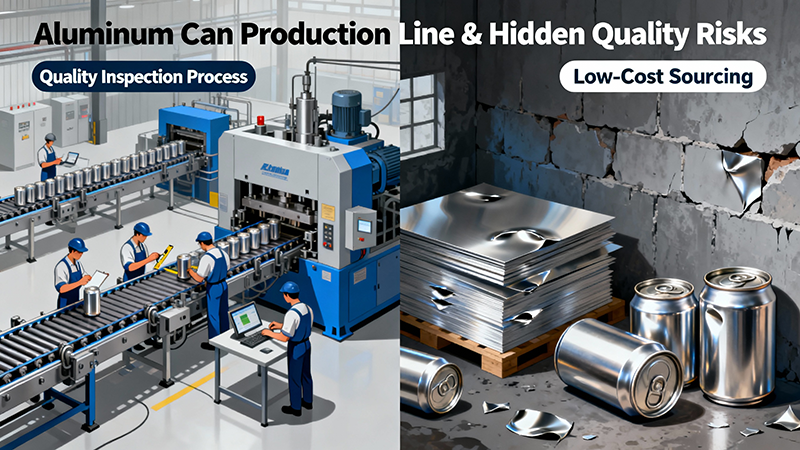
Quality Issues Common with Low-Cost Aluminum Can Suppliers
Quality problems are among the most damaging hidden costs of choosing the cheapest aluminum can supplier—particularly during periods of raw material inflation.
Inconsistent Can Dimensions and Wall Thickness
- Filling line inefficiency and downtime: Low-cost aluminum cans often suffer from inconsistent wall thickness or dimensional deviations. These issues lead to unstable performance on high-speed filling lines, increasing stoppages, adjustments, and maintenance costs that far exceed initial savings.
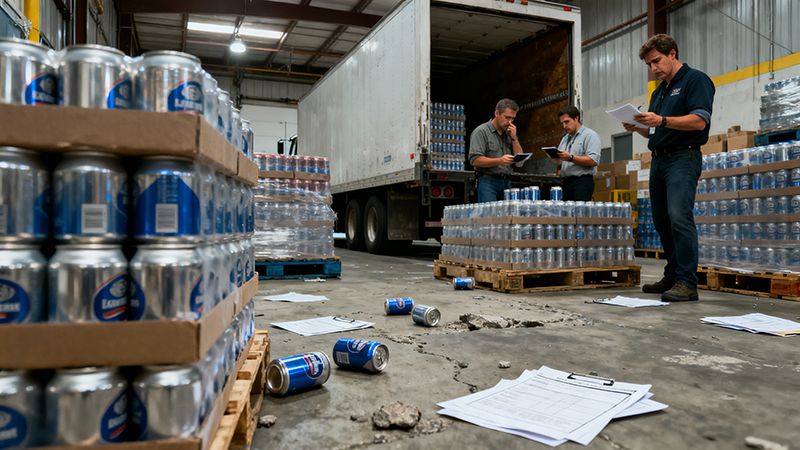
- Higher risk of deformation during transport: Reduced material consistency makes cans more vulnerable to denting or collapse during shipping and pallet stacking. Brands may face increased loss rates before products even reach the filling facility.
- Hidden engineering costs for brands: Production teams may need to compensate for inconsistent cans by adjusting filling parameters, increasing internal labor costs and reducing overall production efficiency.
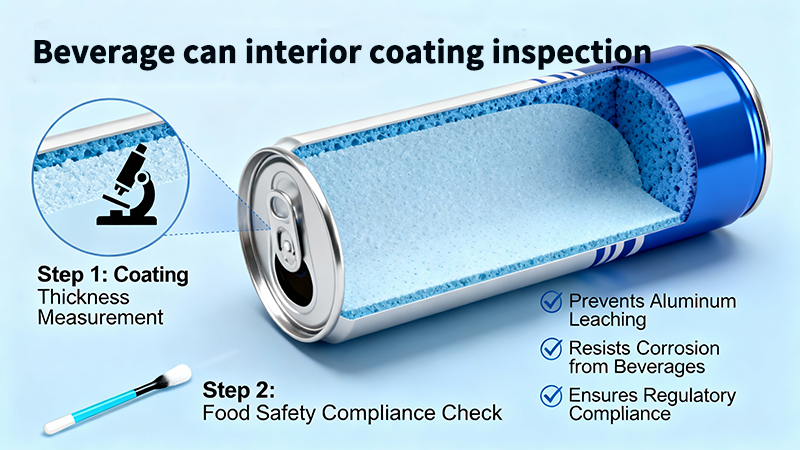
Internal Coating and Food Safety Risks
- Reduced coating performance under cost pressure: Low-cost suppliers may downgrade internal coating materials to offset aluminum price increases, increasing the risk of interaction between the beverage and aluminum surface.
- Shelf-life and taste stability issues: Inferior coatings can lead to off-flavors, carbonation loss, or discoloration over time—issues that often appear after products are already in the market.
- Regulatory and recall exposure: Food-contact compliance failures create legal and reputational risks that dwarf any initial cost savings, particularly for export-oriented beverage brands.
Hidden Costs Beyond the Quotation Price
The real cost of cheap aluminum can sourcing becomes visible only after production, logistics, and market distribution are underway.
Total Cost of Ownership for Beverage Cans
- Higher rejection and scrap rates: Low-cost aluminum cans frequently lead to higher rejection rates at filling plants, increasing material waste and rework costs that are rarely attributed back to the supplier.
- Unplanned reorders and expedited shipping: Quality failures or delayed deliveries often force emergency reorders at premium freight rates, quickly eliminating any original price advantage.
- Internal management and coordination burden: Dealing with recurring quality or delivery issues increases internal workload for procurement, QA, and operations teams, reducing organizational efficiency.
Supply Chain Instability During Price Volatility
- Production delays and broken commitments: Cheap suppliers are often the first to experience capacity shortages during aluminum price surges, resulting in missed delivery windows and disrupted launch schedules.
- Lack of priority allocation: Brands sourcing purely on price are less likely to receive priority treatment when raw material availability tightens.
- Higher exposure to supplier failure: Financially fragile suppliers may struggle to survive prolonged price volatility, exposing brands to sudden supply interruptions.
Value Over Price: A Smarter Procurement Strategy
Leading beverage brands increasingly shift from price-driven sourcing to value-based aluminum can procurement—especially during periods of rising aluminum costs.
Working with a Reliable Aluminum Can Manufacturer
- Stable production and quality systems: Professional manufacturers invest in process control, inspection systems, and material optimization to maintain quality even under cost pressure.
- Transparent pricing mechanisms: Clear aluminum price adjustment models reduce uncertainty and prevent sudden cost shocks.
- Long-term partnership mindset: Reliable suppliers prioritize mutual sustainability over short-term gains, supporting brand growth across market cycles.
Standardization and Volume Efficiency
- Optimizing standard can formats: Widely used sizes such as the 250ml soda can and 330ml soda can benefit from higher production efficiency and more stable pricing.
- Reduced tooling and setup costs: Standardization minimizes changeover waste and improves cost predictability.
- Better scalability for growing brands: Efficient formats support volume expansion without introducing new technical risks.
Strategic Insight into Aluminum Price Trends
- Supplier market intelligence: Professional manufacturers help brands interpret aluminum market trends rather than reacting blindly to price movements.
- Reference-based procurement decisions: Understanding broader context—such as insights from Global Aluminum Price Increase: How It Impacts Aluminum Can Procurement—supports more rational sourcing strategies.
- Balanced cost-risk tradeoffs: Value-focused procurement aligns cost control with quality, reliability, and brand protection.

Conclusion: Cheap Can Pricing Can Be the Most Expensive Choice
During aluminum price surges, choosing the cheapest aluminum can supplier often feels like the safest decision. In reality, it is frequently the riskiest. Cheap aluminum can supplier risks—from quality failures to supply disruptions and hidden operational costs—can quickly erase any initial savings.
For beverage brands seeking long-term stability, value, reliability, and transparency matter more than headline price. Working with an experienced aluminum can manufacturer like Baixi Cans helps brands navigate price volatility while protecting quality, supply continuity, and brand reputation.
FAQ
Q1: Are cheap aluminum cans always lower quality?
Not always, but consistently low pricing during aluminum price surges often indicates compromises in material, quality control, or supply stability.
Q2: How can I calculate the real cost of aluminum cans?
Consider total cost of ownership, including defect rates, downtime, logistics risk, and brand impact—not just unit price.
Q3: What is the safest sourcing strategy during aluminum price increases?
Working with a transparent, experienced aluminum can manufacturer that offers stable quality, clear pricing mechanisms, and long-term cooperation.