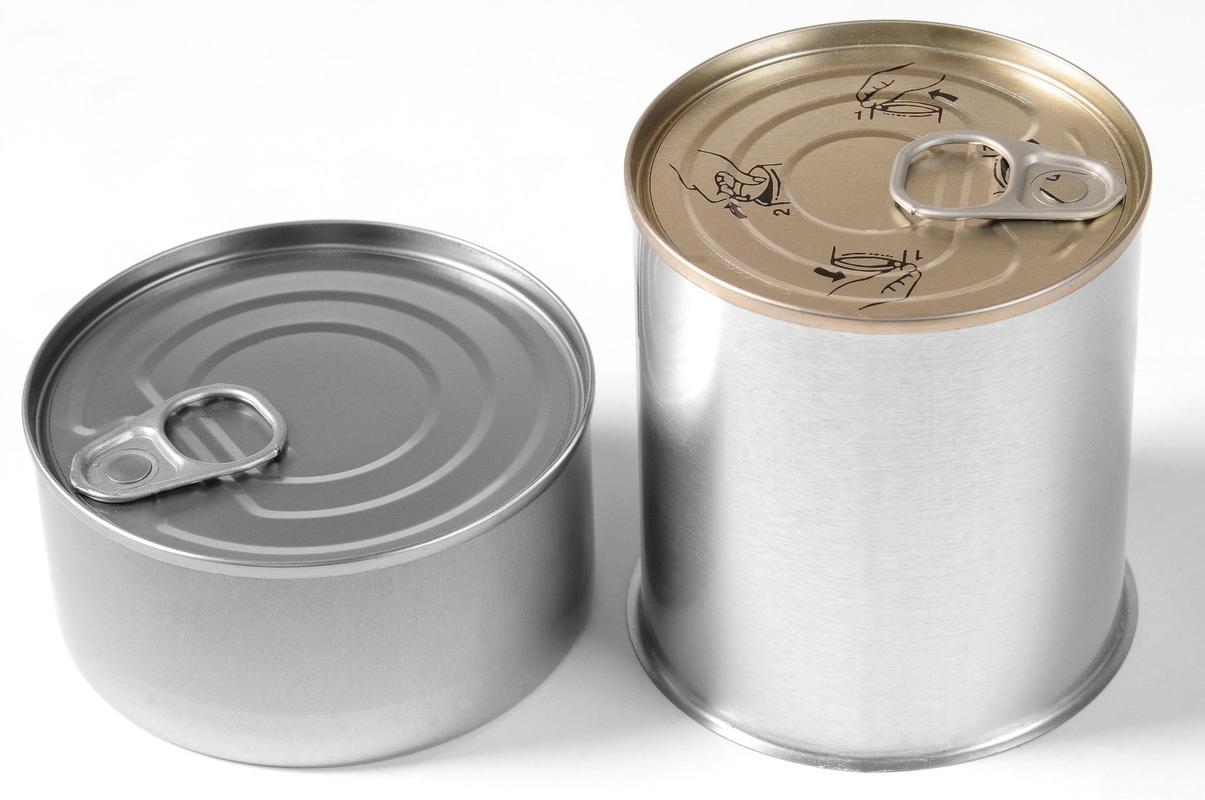
Problems in high-pressure steam sterilization process: During high-pressure steam sterilization, if the exhaust is not clean or the cooling tank temperature is too low, moisture will remain on the surface of the can, causing rust. In addition, excessive sodium sulfate, calcium chloride, magnesium chloride or salt content in sterilization and cooling water will also affect the anti-rust performance of the outer wall.
Water quality problem: Excessive content of sodium sulfate, calcium chloride, magnesium chloride and other ingredients in the water used will accelerate the corrosion of the outer wall of the can.
Packaging material problem: Wet packaging materials or adhesives used in packaging label paper will also cause rust on the outer wall. If the packaging material is not handled properly, it is easy to absorb moisture, which will lead to rust.
Storage environment problem: When the air temperature in the storage warehouse is too high, condensation will appear on the outer wall of the can, that is, "sweating", which will also cause rust.
Chemical composition influence: The tin surface of the outer wall of the can will form yellow rust spots when it comes into contact with oxygen. The tin layer is exposed due to discontinuous or mechanical damage during canning. When it comes into contact with moist air, an electrochemical reaction occurs, which further accelerates rusting.
You can use a damp cloth with a small amount of baking soda or white vinegar to gently wipe it. After removing the rust, wipe it thoroughly and apply a layer of food-grade mineral oil to prevent rust.
But please note: Even if the rust on the surface is removed, you still need to check whether the seal inside the can is intact.
Rust may have destroyed the can's sealing, causing bacteria, air or heavy metals (such as tin, lead) to penetrate and contaminate food. It should be directly scrapped.
Use an acidic solution:Vinegar: Soak the rusted food packaging cans in vinegar, preferably apple cider vinegar, for a day or more. Then use steel wool or sandpaper to gently polish and remove the rust. Lemon juice or lime juice: Sprinkle salt on the rusted area, then soak it with lemon juice, and then use an aluminum ball to scrape off the rust. Phosphoric acid or hydrochloric acid: Phosphoric acid can convert iron oxide into iron phosphate, forming a black coating, and then scrape off the iron phosphate. Hydrochloric acid is commonly used in the steel industry, but safety and environmental issues need to be paid attention to.
Use plasters: Baking soda paste: Mix baking soda and water into a paste, apply it to the rusted surface, and then wipe it with abrasive materials such as steel wool.
Physical methods: Sandpaper or steel wool polishing: Use sandpaper or steel wool to gently polish the rust surface and gradually remove the rust layer. Pay attention to the strength and avoid excessive wear of the can body.
Daily maintenance: Rust-proof oil or grease: wipe off the moisture in the food packaging can in time after use, apply rust-proof oil or grease to prevent rust.

Control humidity: avoid humid environment, keep the relative humidity of the air in the warehouse no more than 60%, and ventilate properly.
Use rust-proof oil: For long-term storage, you can apply simple rust-proof agents such as edible oil, paraffin oil or vaseline, or use more effective lanolin rust-proof agents.
Cleaning and drying: Wash off salt, syrup and other substances on the outer wall of the can, wipe off the residual moisture to reduce the possibility of rust.

Rust on the outer wall of the food packaging can usually does not affect the quality of the food inside. Rust on the outer wall of the can is generally caused by spraying disinfectants or shipping by sea during transportation. These rusts are mainly concentrated on the edge of the can and the pull ring, and will not affect the meat quality inside the can. However, if rust or holes appear inside the can, it may cause bacterial contamination of the contents, affecting food safety.