It looks the most harmless, especially in summer, drinking a bottle of ice cola or ice beer is so refreshing. But have you ever noticed that the bottle expands and deforms, or even leaks? When you put an unopened can of cola into the refrigerator, the water droplets that instantly condense on the metal can wall hide the triple game of food safety, chemical migration and space efficiency - and the truth is far more complicated than you think.
It looks the most harmless, especially in summer, drinking a bottle of ice cola or ice beer is so refreshing. But have you ever noticed that the bottle expands and deforms, or even leaks? When you put an unopened can of cola into the refrigerator, the water droplets that instantly condense on the metal can wall hide the triple game of food safety, chemical migration and space efficiency - and the truth is far more complicated than you think.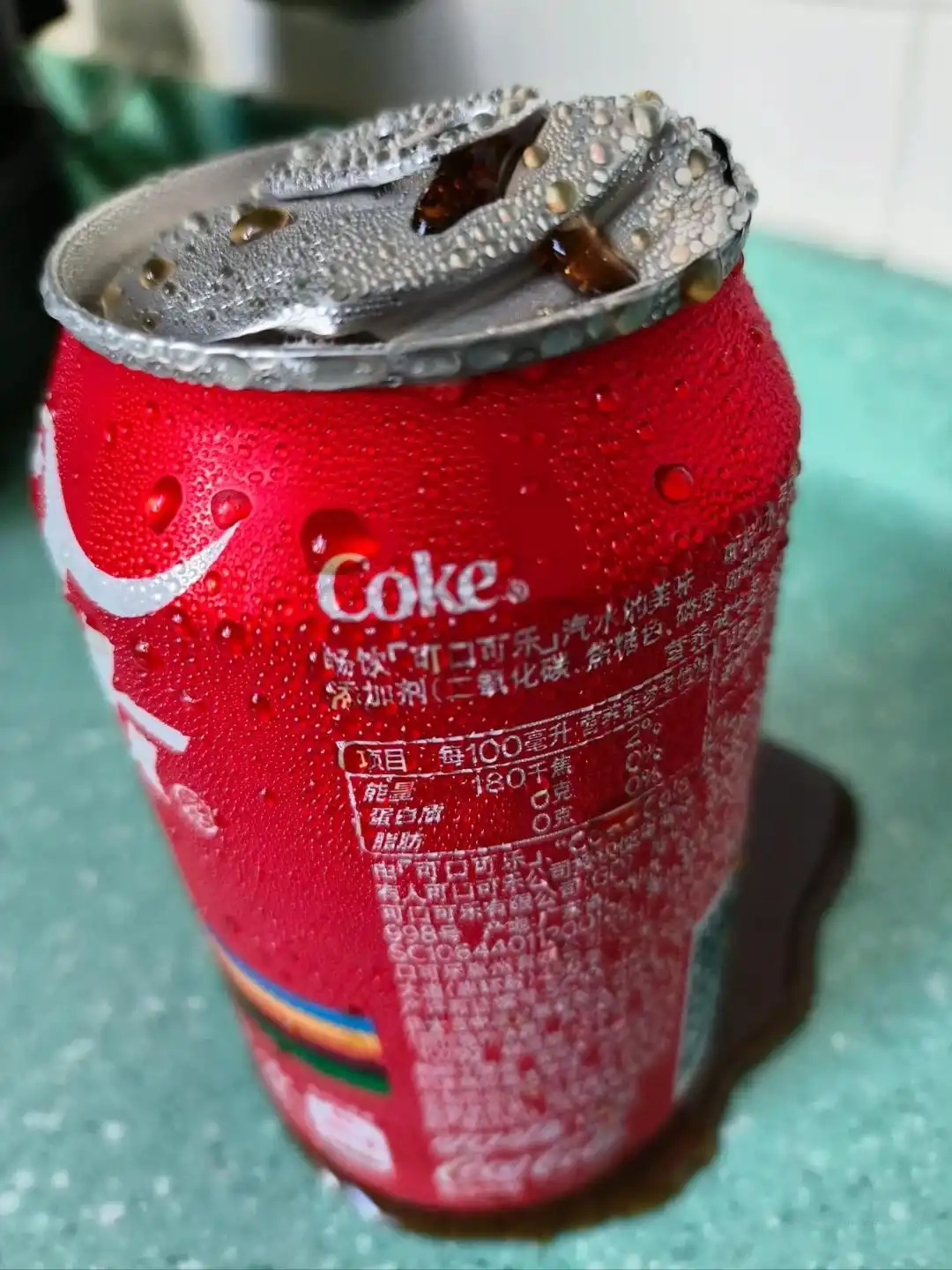
Unopened aluminum can refrigeration: safe but at a cost
The U.S. Department of Agriculture (USDA) clearly stated: There is no food safety risk when unopened aluminum cans are placed in the refrigerator. Canned food is sterilized at high temperature to achieve commercial sterility, and pathogenic bacteria cannot reproduce in a sealed environment. However, the scientific community has raised three major doubts about its practicality:
1.The paradox of refrigeration due to resource mismatch
The core design value of cans is room temperature stability. Experiments have shown that unopened aluminum cans can be stored in a cool, dark place for 1-3 years (depending on the contents). Refrigeration has almost no effect on extending their shelf life, but it occupies 37% of the available volume of the refrigerator - this is a significant waste for energy-sensitive families.
2.Condensation increases the risk of corrosion
The humidity in the refrigerator is often 70%-80%. Condensation on the surface of the aluminum can will accelerate oxidation, resulting in:
-
The risk of rust and perforation of the can body increases by 3 times;
-
The coating damage at the seam of the can may cause aluminum ion migration (especially acidic contents such as tomato juice and cola).
3.Flavor attenuation
The low temperature environment promotes the precipitation of pectin in canned juice and increases the solubility of carbon dioxide in carbonated beverages - the texture of the former becomes turbid, and the foam volume of the latter decreases by 40% after opening the can.
| Pros and cons analysis of refrigerating unopened aluminum cans |
| Evaluation dimensions |
Advantages |
Risks |
Scientific recommendations |
| Food safety |
No risk of bacterial contamination |
No additional antiseptic benefits |
Prioritize room temperature storage |
| Chemical safety |
Modern lead-free process meets standards |
High humidity environment accelerates corrosion |
Avoid long-term refrigeration |
| Flavor quality |
Low temperature delays Maillard reaction |
Pectin precipitation/gas solubility changes |
Juice/carbonated beverages avoid refrigeration |
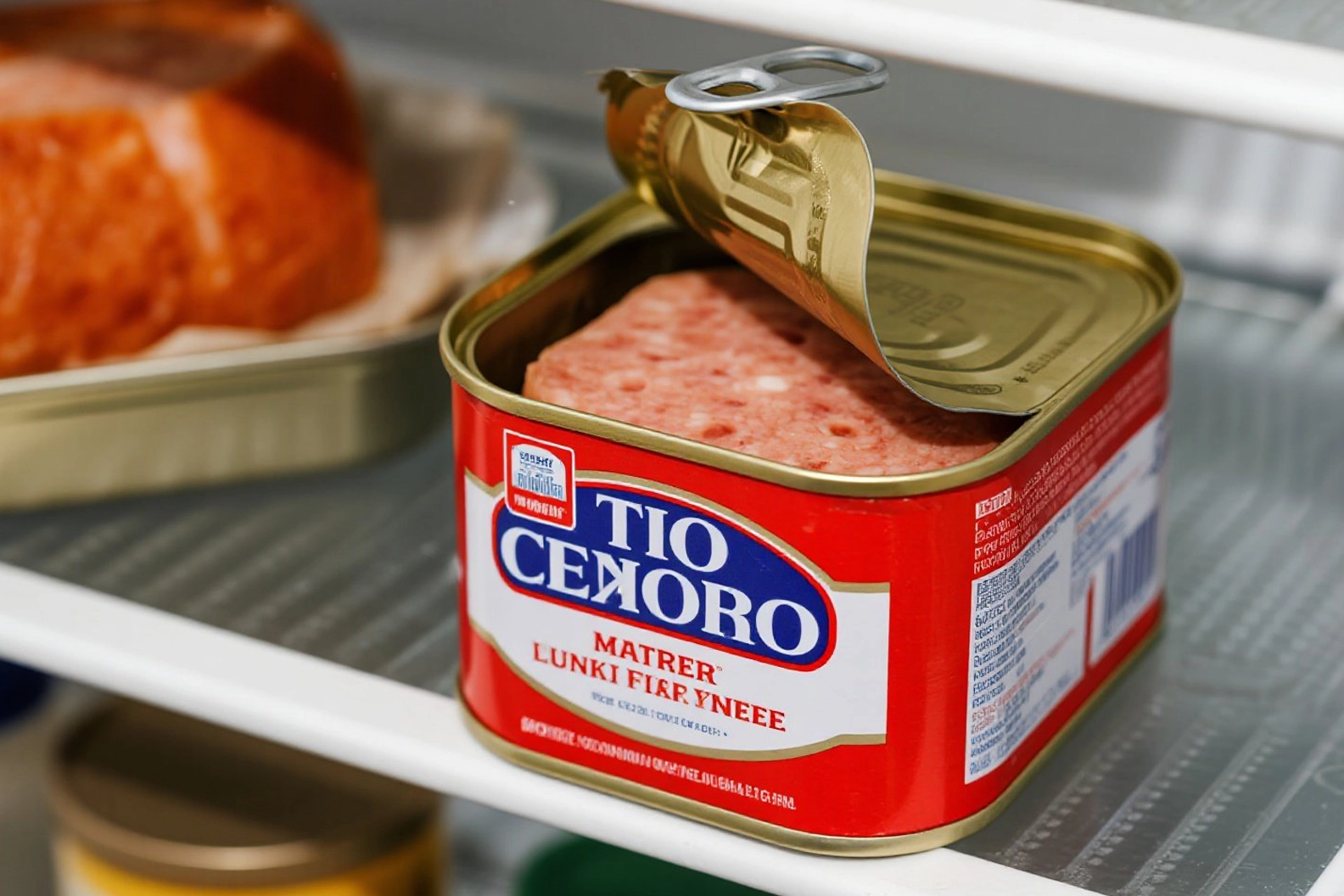
Storing sealed aluminum cans in refrigerators: an absolute taboo area
Opened aluminum cans must be transferred to containers immediately - this is the iron rule of global food safety agencies:
1.Double contamination channel
- Chemical migration: Oxygen contact damages the epoxy resin coating on the inner wall of the can, and the migration of aluminum ions to acidic foods (such as ketchup) within 24 hours reaches 0.18 mg/kg, exceeding the EU limit by 23%;
- Microbial colonization: Can cutter scratches form a bacterial breeding ground, and Listeria can still proliferate in a refrigerated environment at 4°C
2.Preservation plan
| Content type |
Transfer container |
Refrigeration time limit |
Risk avoidance method |
| Acidic food |
Glass sealed box |
≤2 days |
Olive oil is poured on the surface to isolate oxygen |
| Non-acidic food |
Food-grade plastic box |
≤3 days |
Cover with plastic wrap and then cover |
| Carbonated beverage |
Special soda bottle |
≤24 hours |
Add silicone sealing plug to maintain pressure |
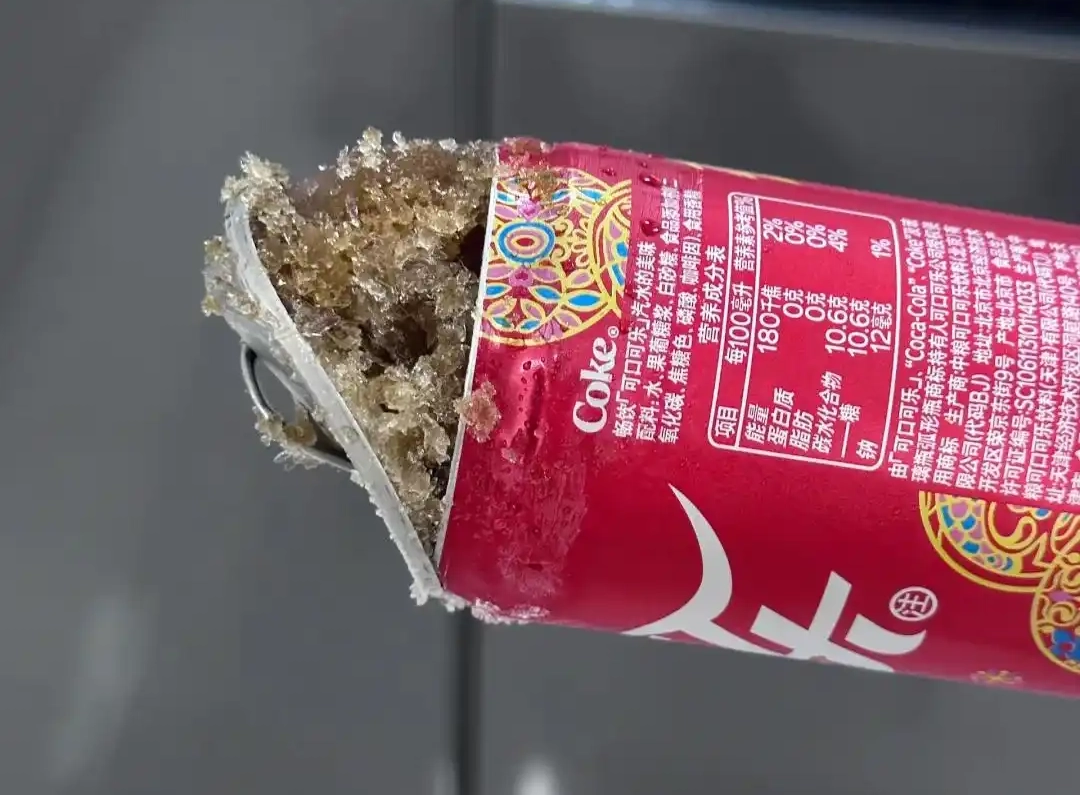
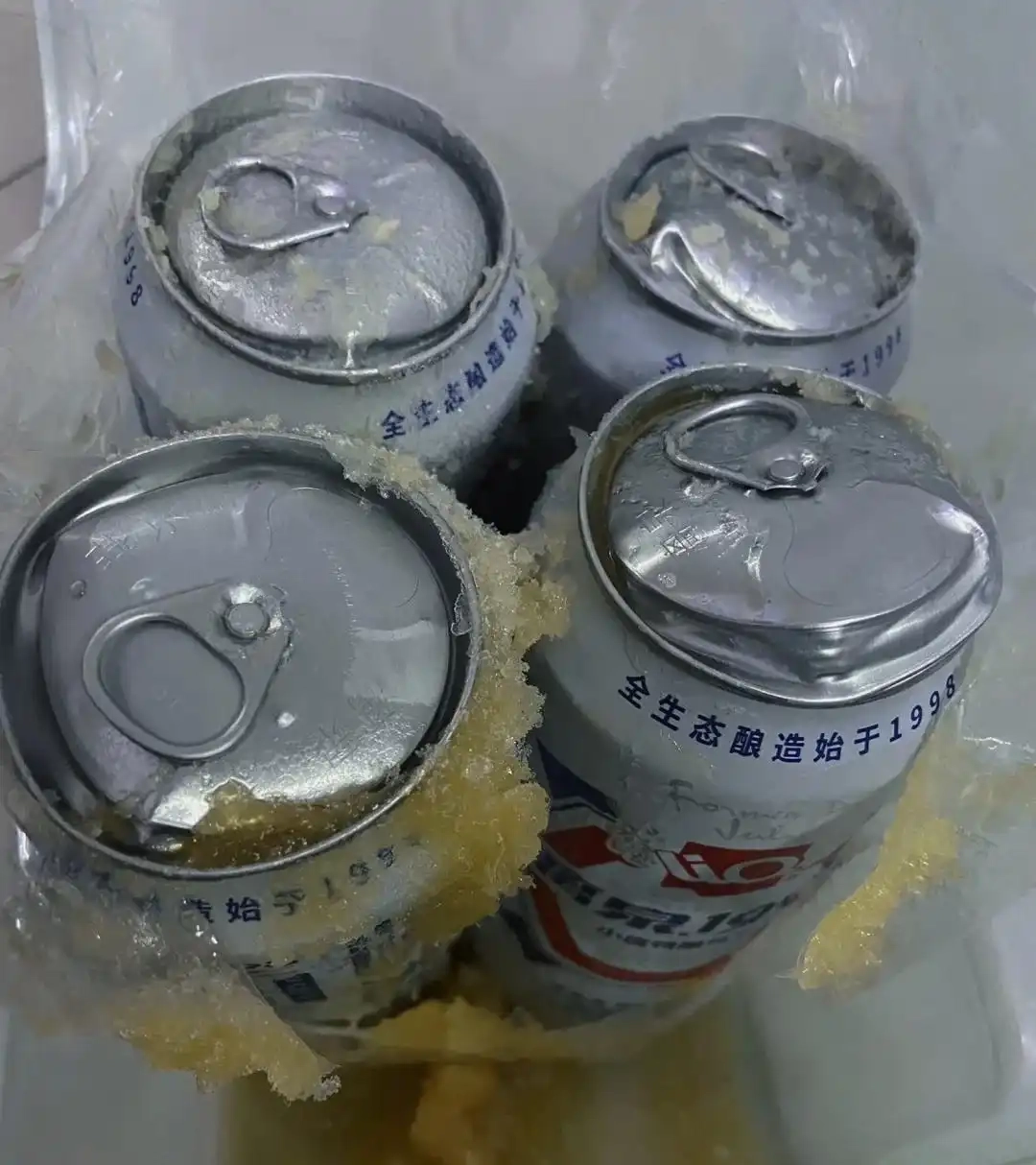
Frozen aluminum can: an insurmountable red line
- Expansion and rupture formula: V ice = V water × 1.09. The volume of water expands by 9% when it freezes, and the pressure at the joint of the can body is ≥2MPa (exceeding the yield strength of aluminum), resulting in bursting and leakage;
- Thaw disaster chain: freezing → micro cracks in the can body → bacteria invade along the cracks during thawing → the total number of colonies exceeds the standard by 400 times within 48 hours.
Here, I want to give you a scientific understanding of the structure of the can: the body and bottom of the can are both stamped out of aluminum at one time, and the lid is rolled on the aluminum can through the rolling process after the beverage is filled. It can be clearly seen from this burst can that although the bottom of the can is deformed, it is not detached because it is formed in one go and has high strength, while the lid is directly washed away by the airflow inside.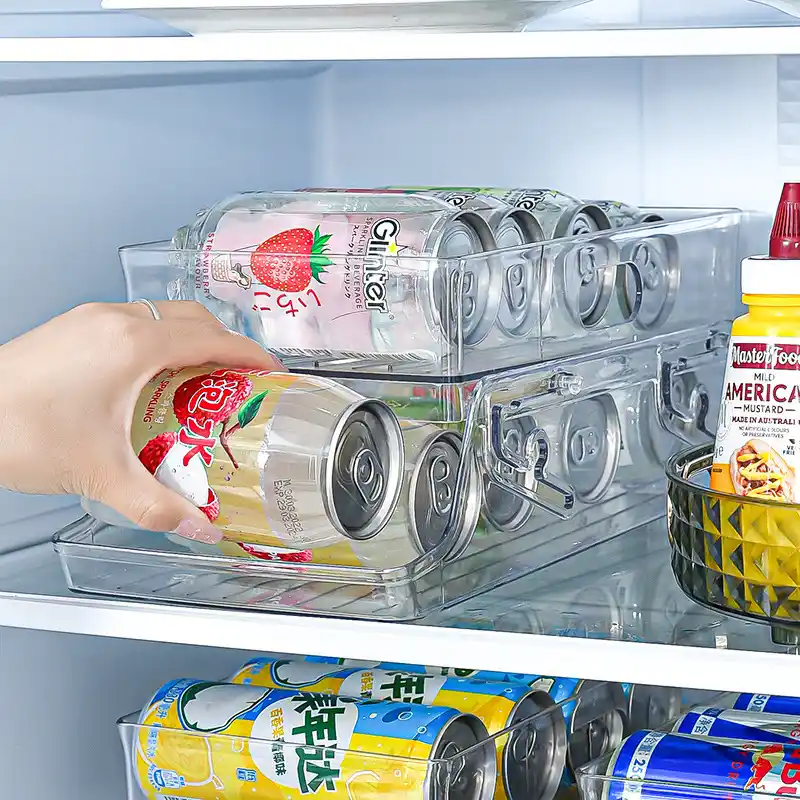
Golden rules for aluminum can storage
Safe refrigeration list
- Unopened and short-term refrigeration: carbonated beverages/beers planned to be consumed within 3 days (flavor loss is controllable)
- Glass jars and cans: no metal migration risk, but hot and cold shocks should be avoided to cause bottles to burst
Strictly prohibited refrigeration list
- Any opened aluminum can: even if only one spoonful is taken (oxidation channel has been established)
- Foods that require deep freezing: must be transferred to special freezing containers
- Dented/rusted aluminum cans: surface damage may have penetrated the inner coating
Solution: Four-step method for aluminum can storage
The State Administration for Market Regulation has publicly reminded: Carbonated beverages are prohibited from being placed in the freezer. When using the refrigerator to "chill" carbonated drinks packaged in cans, be sure to pay attention to the following matters:
-
First, before putting the drink in the refrigerator, it is best to check the can body. If there is a leak or a hole, it is best not to drink it;
-
Second, since carbonated drinks are inevitably subject to collisions during transportation, which will cause the gas inside to expand, it is best to place the can upright for a period of time before putting it in the refrigerator;
-
Third, do not set the refrigerator temperature too low to prevent the carbonated drink from freezing and causing the can body to rupture.
In response to the dilemma of consumers who are "afraid of spoilage and poisoning", an actionable path is given:
-
Unopened long-term storage → cool cabinet (temperature <25℃) + light-proof treatment (wrap the can with tin foil)
-
Opened and unfinished → transfer to a sealed glass box within 10 minutes (capacity matching to reduce air residue)
-
Need to be stored in a frozen state → pack in silicone freezer bags (reserve 10% expansion space)
-
Quick cooling of refrigerated beverages → wrap aluminum cans with wet paper towels + place in the freezer for 20 minutes (3 times more efficient than direct refrigeration)
FAQ: Decoding the classic misunderstanding of aluminum can refrigeration
Q1: Modern aluminum cans have epoxy coatings, so it is okay to refrigerate directly, right?
Wrong! The coating has been scratched when the can is opened, and the low-temperature brittleness makes it easier to peel off. The US FDA test shows that after 24 hours of refrigeration of opened tomato cans, the amount of aluminum dissolved reaches 0.25ppm (0.2ppm above the safety line).
Q2: Is it feasible to quickly cool down aluminum canned beverages by freezing them for 1 hour?
Strict control conditions can be tried:
- Liquid volume ≤ 85% of the can capacity;
- Freezing time < 45 minutes (ice crystals are not formed on a large scale);
- After taking it out, let it stand for 5 minutes before opening it (balance the internal and external pressures).
Q3: Why do supermarket refrigerators also sell aluminum canned beverages?
Commercial refrigerators are air-cooled frost-free systems (humidity < 30%), and the turnover rate of goods is extremely high (average storage < 72 hours) - this is fundamentally different from the high humidity environment of household refrigerators.The low temperature in the refrigerator will cause the liquid volume to decrease, but the gas pressure will increase, especially in the freezing layer, where the volume of the liquid expands after freezing. If the aluminum can contains carbonated beverages and other gas-containing beverages, when it is frozen in the refrigerator freezer, the expansion of water due to freezing and the gas pressure inside may cause the aluminum can to expand or even explode. This is especially likely to happen when the refrigerator space is small and the separation between the freezing and refrigeration areas is not obvious. In many refrigerator explosion accidents, carbonated beverages are the "culprit". The real killer is not the explosion, but the damage caused by the splash of beverages when it suddenly breaks.When you master the rules of coexistence between aluminum cans and refrigerators, you can find a balance between safety and convenience. Click to get the "Safe Can Storage Four-piece Set" (including sealed glass jars + vacuum pull rods + can body light-proof cover + frozen packaging bags), and enjoy the scientific storage manual and aluminum can quality inspection service for the first order - use professional tools to protect the peace of mind of every can opening.