Metal cans are a traditional storage and transportation packaging container, which is defined by the national standard GB13040-91 as "a container with a smaller capacity made of metal sheet". Metal cans can be used for temporary storage, transportation and long-term preservation of contents. Compared with plastic, paper, glass and other packaging containers, they not only have the advantages of high strength, not easy to break, good rigidity, but also have the characteristics of barrier, gas bar
Metal cans are a traditional storage and transportation packaging container, which is defined by the national standard GB13040-91 as "a container with a smaller capacity made of metal sheet". Metal cans can be used for temporary storage, transportation and long-term preservation of contents. Compared with plastic, paper, glass and other packaging containers, they not only have the advantages of high strength, not easy to break, good rigidity, but also have the characteristics of barrier, gas barrier, light shielding, moisture resistance, fragrance preservation, and sealing. Metal cans are essential to the modern food and beverage industry and are the ideal packaging for the food and beverage industry. They provide ideal packaging solutions.
With the rapid development of the downstream industries of metal packaging, such as food, beverage, and chemical industries, the demand for metal can products in the packaging field is booming. According to the data on the scale of China's metal packaging market in 2023, the scale of China's metal packaging market exceeded 150.562 billion yuan, a year-on-year decrease of 1.56%, and the total profit of the industry reached 7.172 billion yuan, a year-on-year increase of 25.47%. However, the average profit margin of the industry is less than 5%.
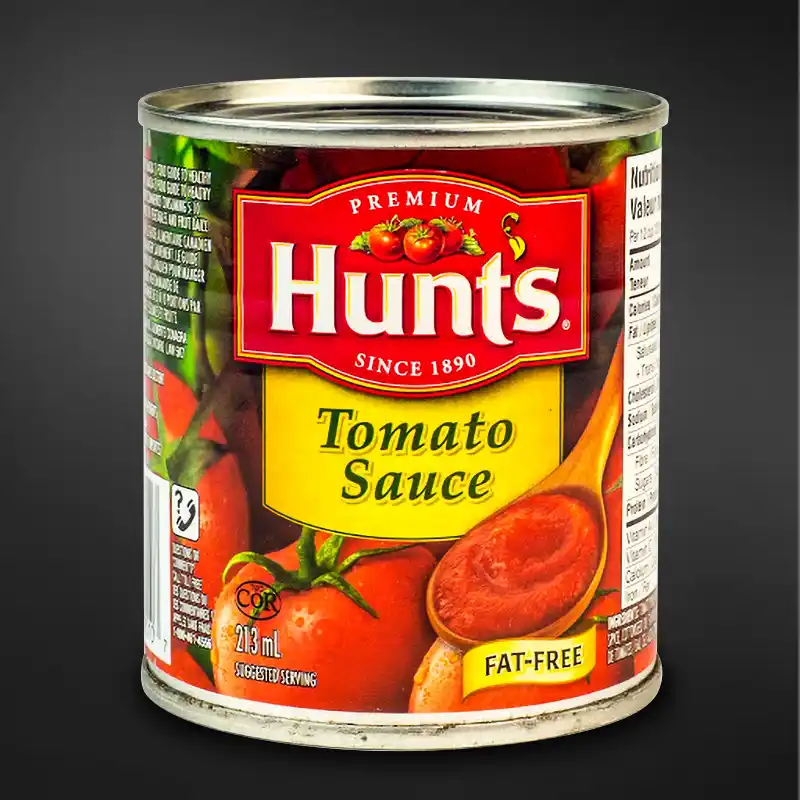
The game between three-piece cans and two-piece cans
1. Three-piece cans
- Structural features: It consists of three independent components: the can body, the can bottom, and the can lid, which are assembled by precision welding.
- Core technology: The longitudinal seam of the can body adopts fusion welding technology (instead of lead-containing tin solder), and the welding temperature is as high as 1200℃ to ensure zero leakage.
- Core advantages: Compatible with complex special-shaped designs (square cans, multi-prism cans, etc.), providing brands with a 360° printing canvas; the can wall can withstand 4MPa side pressure, suitable for heavy stacking and storage.
- Classic applications: ketchup cans (acid corrosion resistance), gift biscuit cans (special-shaped display), industrial grease barrels
2. Two-piece cans
- Molding process: Aluminum/tinplate sheets are thinned by punching and drawing, and the can body and can bottom are formed in one piece within 0.3 seconds, with a wall thickness of only 0.1mm.
- Performance breakthrough: seamless design reduces leakage rate to 0.001% (3-piece can is 0.03%); carbonated beverages can hold pressure up to 6atm, and bubble retention period is extended by 40%
- Limited areas: limited to standard cylindrical shape, and cannot package large solids (such as meat)
| Comparison of industrial parameters between three-piece cans and two-piece cans |
|
Parameters
|
Three-piece can
|
Two-piece can
|
User value point
|
|
Production speed
|
800 cans/minute
|
2500 cans/minute
|
Reduce unit cost by 30%
|
|
Material utilization rate
|
75%-82%
|
92%-95%
|
10,000 tons of materials saved per year
|
|
Minimum order quantity
|
500,000 pieces (special-shaped design)
|
1 pieces (standard cans)
|
It is more economical to choose three-piece for small batches
|
|
Applicable contents
|
Solid/liquid/viscous
|
Mainly liquid beverages
|
Three-piece cans are a must for jam companies
|
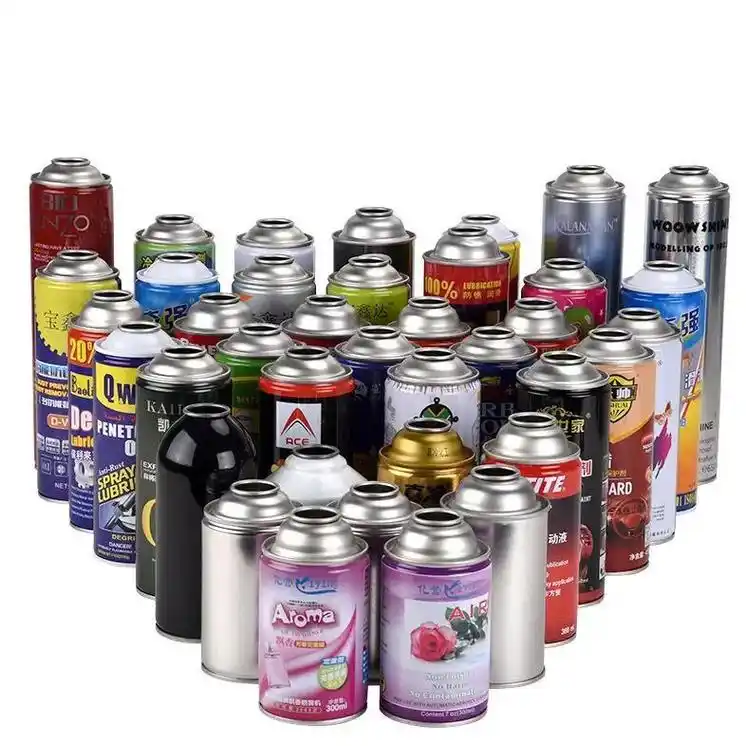
Competition between tinplate, aluminum and coating technology
Tinplate cans
- Tin-plated material: 2.8g/m² tin layer on the surface of steel plate, resistant to acid and alkali corrosion at pH2.5-7.5
- Irreplaceable scenarios: Tomato products (pH≈4.2): tin layer sacrificial anode protection, blocking hydrogen expansion cans; high-fat foods (lunch meat): tin layer inhibits oil oxidation and rancidity
Aluminum cans
- Performance advantages: Aluminum alloy (containing 1.2% manganese + 0.7% magnesium) reduces the weight of the can by 60% and reduces cold chain logistics costs by 25%
- Environmental advantages: Recycled aluminum consumes only 5% of primary aluminum, and the global Recycling rate reaches 75%
Coated iron
- Structural innovation: tinplate substrate + 8μm polymer film (PET/PP), completely eliminating metal ion migration
- Cost issue: The unit price is 15% higher than traditional cans, but the elimination of the inner coating process reduces the overall cost by 10%
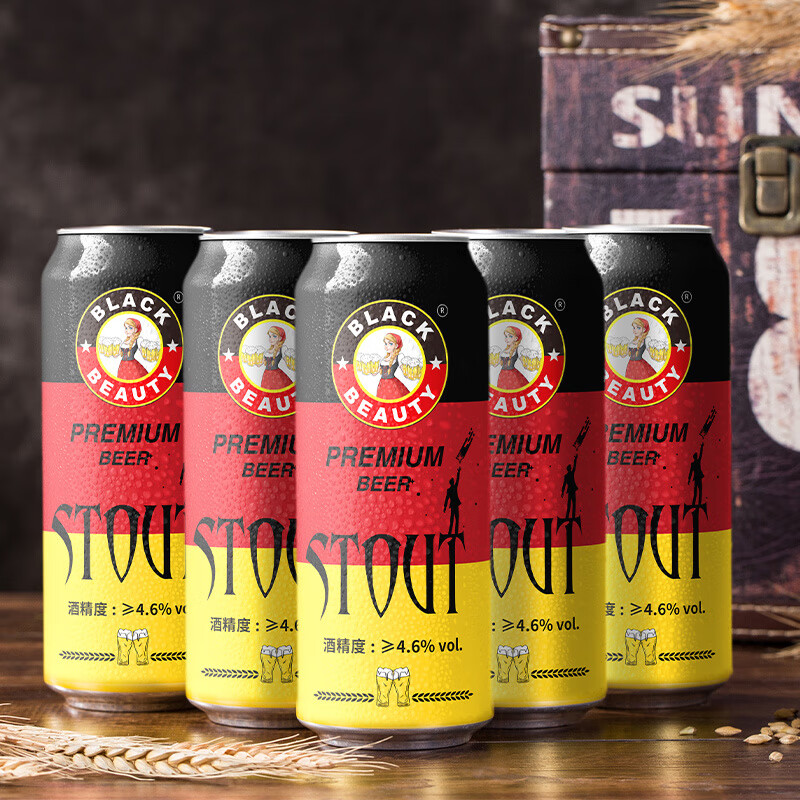
Transformation from functional container to brand
1. Bas-relief necked can
- The can diameter is narrowed by 8%, which increases the grip stability by 50% and reduces the pouring rate of beer cans by 30%
- Representative case: Heineken 330ml keg can, the Australian market share soared to 42% in 3 months
2. Polyhedral angular can
- The angular design makes light reflective 70% increase in injection, 4 seconds longer for consumers to focus
- Technical difficulties: 400-ton hydraulic molding machine is required, and the mold cost is 6 times that of standard cans
3. Nostalgic hinged cans: invisible promoter of repurchase rate
Iron box with sealed hinge, the shelf life of biscuits is extended to 90 days after opening (only 30 days for ordinary cans). Consumer retention rate increased by 65% (secondary use as storage box)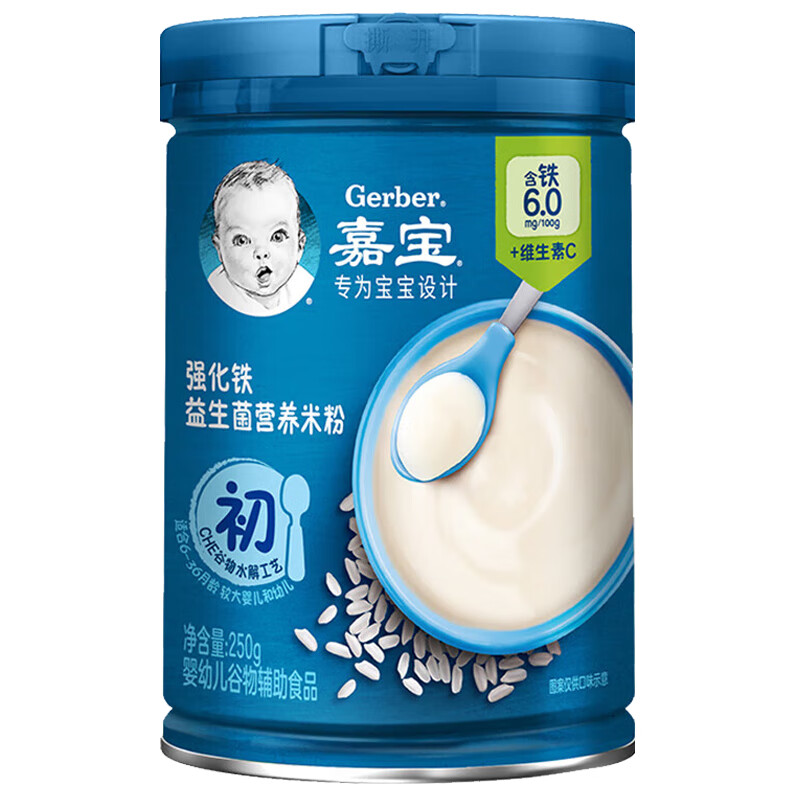
Accurate matching guide according to application scenarios
Beverage industry: two-piece aluminum cans dominate
- Carbonated beverages: choose 204/211 caliber aluminum cans, coated with epoxy amino paint to resist acid corrosion
- Craft beer: screw cap with nitrogen capsule Aluminum cans (nitrogen filled inside the can to keep fresh)
Food industry: three-piece iron cans are king
- Canned seafood: use tinplate cans with high sulfur resistance coating to prevent cysteine from generating sulfurized black spots
- Baby food: coated iron cans + nitrogen filling to lock freshness, vitamin retention rate exceeds 99%
Daily chemical industry: technical barriers of spray cans
- Insecticide cans: steel cans with a pressure of 1.2MPa, valve body anti-touch design
- Perfume cans: multi-layer aluminum foil composite cans + supercritical CO₂ filling technology, fragrance preservation period of 5 years
How to avoid costs and regulations
Four-dimensional evaluation model
1.Corrosiveness of contents
- Strong acid (pH<4.0) → Tinplate cans (sacrificial anode protection)
- Neutral/weak acid → aluminum cans (weight reduction and cost reduction)
2.Filling speed requirements
- High-speed line (>1000 cans/minute) → two-piece cans (good production line compatibility)
- Low-speed flexible production line → three-piece cans (low changeover cost)
3.Environmental compliance level
- EU market → aluminum cans (recycling rate>90%)
- High pressure to reduce carbon emissions → coated iron (can be recycled 5 times more than traditional cans)
4.Brand premium space
- High-end gifts → special-shaped tinplate cans (carving + enamel craft)
- Mass fast-moving consumer goods → Standard aluminum cans (cost reduction due to scale effect)
Three fatal selection errors
- Mismatched pressure system: two-piece cans for juice often swell (requires three-piece can reinforcement ring)
- Ignoring coating migration: Choose vinyl coating for oily foods, the risk of excessive leaching is 23%
- Underestimating transportation resonance: angular cans have no shockproof design, and the logistics damage rate can exceed 8%

FAQ: Breaking the cognitive misunderstanding of metal can selection
Q1: Aluminum cans are easier to deform than tinplate cans?
On the contrary! Modern aluminum cans have a compressive strength of 90kPa (20% higher than tinplate cans) through radial reinforcement ring design, but the can wall should not be hit with sharp objects.
Q2: Are special-shaped cans necessarily high-cost?
Technological innovation has broken the curse:
- High-pressure air molding technology reduces mold costs by 60%
- Digital printing achieves a minimum order of 10,000 cans (traditionally 500,000 cans are required)
Q3: How do metal cans respond to the plastic ban?
Three major alternatives:
- Beverage field: aluminum cans replace PET bottles (carbon footprint reduced by 55%)
- Daily chemical field: tinplate cans replace plastic pump bottles (recycling rate increased to 82%)
- Takeaway field: reusable steel cans replace PP lunch boxes
The strong opponent of metal in the packaging industry comes from PET materials. PET materials can be made into strange shapes through injection molds, while aluminum materials are more difficult. However, there is a big difference in price between the two. PET is affected by oil prices, while metal materials can be recycled and reused, thereby reducing material costs. In recent years, Europe and the United States, where can consumption is active, have continuously increased the recycling of metal cans and metal packaging materials, which has also made metal cans rampant. The essence of metal packaging is the "second life support system" of the contents. When you choose a tinplate can with reinforcement for hot and sour noodles, the chili oil cannot corrode the can wall; when the aluminum can with nitrogen locks in freshness protects the dense foam of craft beer; when the coated iron can isolates the metal taste from baby food - this is the precise bite of material science and user needs.