
Walk into any craft beer festival in 2026—from Portland to Berlin to Shanghai—and you’ll see the same shift: glass bottles are fading into the background, while aluminum cans dominate the cooler. For years, a persistent myth suggested that “high-end beer only comes in glass.” But the data tells a different story. Today, craft beer brands are choosing cans for reasons that go far beyond mere convenience.
The craft beer market is projected to reach $300.66 billion by 2033, with an impressive CAGR of 11.2%. As breweries scale and compete for limited shelf space, packaging has become a strategic pillar impacting flavor stability, logistics costs, and brand identity. This guide explains why aluminum cans are the packaging of choice for modern breweries—and how to source them effectively from integrated partners like Baixi Cans.

For craft brewers who spend months perfecting hop profiles, packaging is the final and most critical step in quality control. When comparing aluminum cans vs glass bottles craft beer, the metal container acts as a "miniature keg," offering an impenetrable shield against the two greatest enemies of freshness: light and oxygen.
The most significant risk for bottled beer is lightstrike (skunking). This chemical reaction occurs when UV light penetrates glass and reacts with hop-derived iso-alpha acids to create 3-methyl-2-butene-1-thiol—a compound with an aroma nearly identical to a skunk’s spray. While brown glass blocks some UV rays, it is not 100% effective. Aluminum cans, however, provide a 100% UV barrier, ensuring that even the most delicate, hop-forward NEIPAs stay fresh under harsh retail lighting.
Furthermore, cans utilize a mechanical double-seaming process that provides a superior oxygen barrier. Unlike crown caps on bottles, which can experience micro-leakage or seal failure over time, a properly seamed aluminum can eliminates oxygen ingress entirely. For breweries aiming to export or distribute regionally, this means your beer tastes exactly as the brewer intended, even six months after the canning date.
Baixi Technical Note: We utilize 3004/3104 H19 high-strength aluminum with thickness precision of ±0.005mm. This extreme accuracy ensures that your canning line achieves a perfect double seam every time, maintaining total carbonation integrity.

In a competitive market where margins are constantly squeezed by rising ingredient costs, logistics efficiency is a primary driver for the switch to aluminum. Cans offer a financial "double dividend": they are cheaper to ship and nearly impossible to break.
A standard case of 24 cans weighs approximately 35-45% less than its bottled equivalent, yet it contains the same volume of beer. This weight reduction translates directly into lower fuel surcharges and lower shipping rates. Because cans are stackable and have a smaller footprint (better "cube efficiency"), you can fit significantly more product onto a single pallet. For a growing brewery, this means more beer on the truck and more profit in the bank.
Glass is inherently fragile. Every broken bottle in a warehouse is not just lost product; it’s a safety hazard and a cleaning cost. Aluminum cans are resilient and "shatter-proof," making them the only viable option for outdoor festivals, beaches, and stadiums—channels that are increasingly critical for craft beer sales.
Baixi MOQ Advantage: We recognize that craft breweries need agility. Baixi offers a flexible 1-container MOQ (approx. 50,000-70,000 cans), allowing you to launch seasonal batches without tying up capital in massive inventory.

In the craft world, the can is the "silent salesperson." It’s the first thing a consumer touches, and its design tells the brand's story before the first sip is even taken. Aluminum provides a 360-degree, top-to-bottom canvas that glass labels simply cannot match.
The rise of digital printing beer cans in 2026 has changed the game for limited releases. Modern digital tech allows for high-definition graphics, tactile "sand-blast" finishes, and even spot-gloss effects that make specific design elements pop. Whether you are using a
By moving away from plastic shrink sleeves—which are difficult to recycle—and choosing direct-to-can printing, breweries also improve their sustainability profile. Baixi supports everything from 6-8 color specialized spot printing to localized matte effects, ensuring your brand stands out in a crowded cooler.
For Gen Z and Millennial drinkers, sustainability is no longer a "nice-to-have"—it is a purchase driver. Aluminum is the poster child for the circular economy, boasting recycling rates that put plastic and glass to shame.
Unlike plastic, which degrades each time it is processed, aluminum is infinitely recyclable. It takes 95% less energy to produce a can from recycled scrap than from virgin ore. Today, aluminum cans achieve a global recycling rate of nearly 75%, and because of their high scrap value, they essentially "pay for their own recycling."
For a brewery, using aluminum isn't just about being "green"; it's about future-proofing your brand. With the EU and North American markets introducing stricter packaging waste regulations, aluminum’s established recycling infrastructure makes it the safest long-term investment for compliance.

As we navigate the 2026 regulatory landscape, one acronym dominates the conversation: BPA-NI.
The European Union’s Regulation (EU) 2024/3190 will fully ban Bisphenol A (BPA) in food-contact materials by July 2026. For craft breweries with export ambitions, sourcing BPA-NI coating beverage cans (BPA Non-Intent) is no longer optional. Using non-compliant coatings could result in entire shipments being turned away at international borders.
Baixi Compliance Advantage: All Baixi export cans are already transitioned to BPA-NI internal liners. We provide full FDA and EU 10/2011 documentation, meaning your supply chain is ready for the 2026 deadline today.
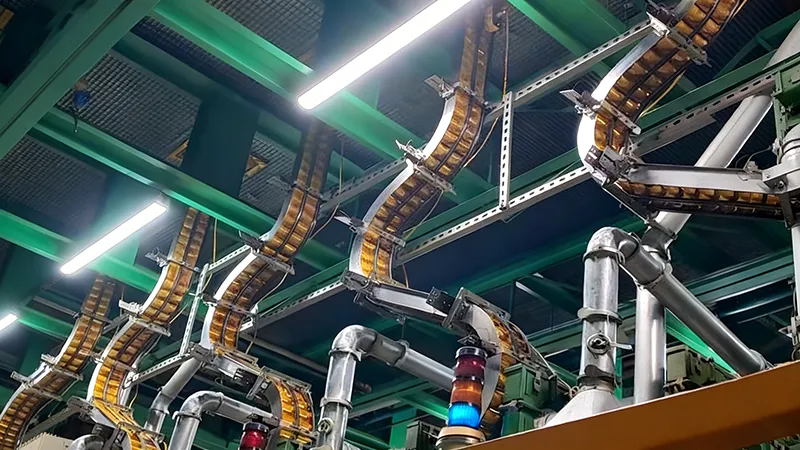
Choosing a craft beer can supplier in China requires a partner who understands the nuances of the craft industry—speed, quality, and technical support. Baixi Industry operates as an integrated manufacturer, meaning we handle the can body, the lid, and the printing under one roof.
When the can body and the lid are manufactured in the same facility, the tolerance mismatch risk is virtually eliminated. This "Perfect Match" ensures that your seamer runs smoothly at high speeds without jams or "leakers."
Reliability: 98% on-time delivery.
Support: We offer seaming technical guidance to help your team optimize your canning line.
Safety: Every batch is traceable from the aluminum coil to the finished pallet.
A mid-sized brewery in the Pacific Northwest recently switched from glass bottles to Baixi's 473ml (16oz) standard cans for their flagship IPA. By eliminating light-strike issues and reducing shipping weight by 35%, they were able to expand their distribution radius by 200 miles. Their "seasonal" digital print runs, supported by our flexible MOQ, allowed them to launch four new beers in a single quarter—a feat that was impossible with their previous glass bottle lead times.
The shift to aluminum is driven by the three pillars of modern brewing: Flavor Integrity, Economic Efficiency, and Environmental Responsibility.
Your 2026 Action Plan:
Audit Your Shelf-Life: Test your current bottled product for light-strike or oxidation.
Verify Compliance: Ensure your supplier is BPA-NI ready for the 2026 global shifts.
Start Small: Utilize Baixi's 1-container MOQ to test a
Q1: Will aluminum affect the taste of my craft beer?
No. Modern BPA-NI internal coatings prevent any contact between the liquid and the metal, ensuring the beer tastes exactly as it did in the fermentation tank.
Q2: What is the benefit of a matte finish on a beer can?
Beyond the premium "hand-feel," matte finishes help hide condensation marks and scratches that occur during transport, keeping the can looking fresh on the shelf.
Q3: How do you handle shipping to North America or Europe?
We offer various incoterms (FOB, CIF, DDP) and provide all necessary customs documentation, including food-grade certifications.
Q4: How do I ensure my seamer is compatible with your cans?
We provide detailed technical spec sheets (neck diameter, flange width) so your engineering team can calibrate your seamer for a perfect double-seam.

