In 2026, the global beverage can market is projected to reach $83.3 billion, with aluminum cans accounting for over 60% of all beverage packaging in North America and Europe.
In 2026, the global beverage can market is projected to reach $83.3 billion, with aluminum cans accounting for over 60% of all beverage packaging in North America and Europe.
For beverage brands—from craft breweries to fast-scaling energy drink startups—the decision to partner with an aluminum can OEM (Original Equipment Manufacturer) is no longer just about outsourcing production. It is a strategic move focused on cost efficiency, speed to market, supply chain resilience, and sustainability.
This guide explains why more brands are choosing OEM partners like Baixi Cans to launch and scale globally.
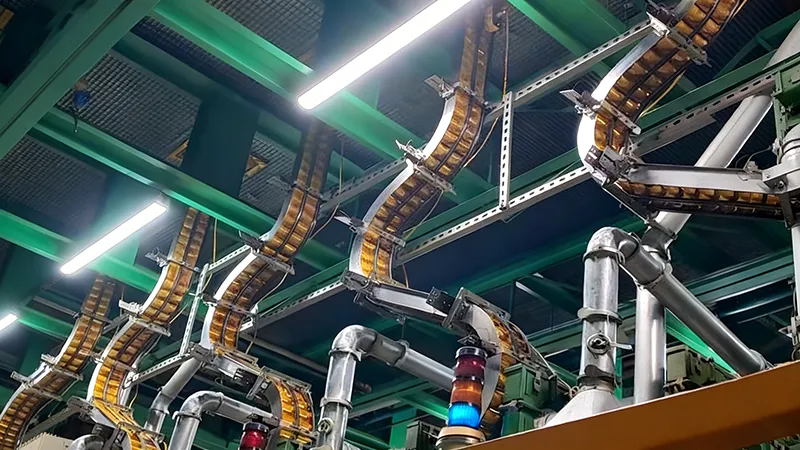
The OEM Advantage: Why Brands Don’t Make Their Own Cans
The Capital Intensity Barrier
Building an aluminum can factory is not just expensive—it’s structurally prohibitive for most beverage brands:
- A single high-speed aluminum can production line requires $50–100 million in capital investment, making it inaccessible for most beverage brands.
This investment includes not only forming and printing equipment, but also internal coating systems, curing ovens, high-speed inspection units, and fully automated conveying systems. Additionally, auxiliary infrastructure such as compressed air systems, water treatment, and power stabilization must be installed, further increasing total capital expenditure.
- The timeline to build and stabilize a production facility typically ranges from 18 to 24 months or longer.
Beyond construction, brands must go through equipment commissioning, process calibration, workforce training, and multiple rounds of trial production before achieving consistent quality output. This long lead time delays market entry and reduces competitiveness in fast-moving beverage categories.
- Aluminum can manufacturing requires multidisciplinary expertise that most beverage brands do not possess internally.
From metallurgy and alloy performance to coating chemistry and high-speed automation control, each stage requires specialized engineers and technicians. Recruiting and maintaining such a team significantly increases operational complexity and cost.
The OEM Solution
- OEM manufacturing converts heavy upfront capital expenditure into a flexible, usage-based cost structure.
Instead of investing tens of millions into manufacturing facilities, beverage brands can align production costs directly with sales volume. This significantly lowers financial risk, especially during early-stage launches or new product rollouts where demand uncertainty is high.
- It allows brands to focus on high-impact growth activities rather than operational complexity.
By outsourcing aluminum can production, companies can redirect resources toward brand building, digital marketing, retail expansion, and distribution partnerships—areas that directly influence revenue growth and market share.
- OEM partners provide immediate access to industrial-scale production capabilities.
Brands benefit from established manufacturing infrastructure, experienced technical teams, and optimized production workflows without needing to build or manage these capabilities internally.
- Scalability is built into the OEM model, enabling seamless growth.
As order volumes increase, production can be ramped up quickly without requiring additional capital investment, ensuring that supply keeps pace with market demand.
👉 Learn more about full-service solutions: Aluminum Can OEM Manufacturing Solutions for Beverage Brands
Baixi Insight: Suppliers like Baixi Cans possess a complete production system from raw materials, molding, internal coating to printing and delivery, with a cumulative investment of over US$300 million. They achieve a 100% on-time delivery rate and a 33% repurchase rate, allowing customers to obtain a stable supply without bearing the risks of equipment depreciation and production capacity.
Cost Advantages: Beyond the Unit Price
The Hidden Cost of In-House Production
- Capital investment in manufacturing infrastructure creates long-term financial rigidity.
Once funds are committed to equipment and facilities, they cannot be easily reallocated, limiting a brand’s ability to adapt to market changes or invest in new opportunities.
- Raw material procurement requires large-volume purchasing and inventory management.
Aluminum coils must often be purchased in bulk, tying up working capital and exposing brands to commodity price fluctuations and storage risks.
- Labor and technical expertise requirements are ongoing and difficult to scale efficiently.
Skilled operators, engineers, and quality control specialists must be continuously trained and retained, increasing operational overhead and management complexity.
- Maintenance, downtime, and production inefficiencies reduce overall productivity.
Equipment requires regular servicing, and unexpected failures can disrupt production schedules, leading to delays and increased costs.
- Underutilized capacity during demand fluctuations leads to hidden inefficiencies.
When production volumes drop, fixed costs remain, negatively impacting profitability and operational efficiency.
Economies of Scale
- Large OEM manufacturers operate at massive production volumes, often exceeding billions of cans annually.
This scale enables highly optimized production scheduling and cost efficiency that smaller operations cannot match.
- Bulk purchasing agreements with aluminum suppliers significantly reduce raw material costs.
Long-term contracts allow OEMs to secure stable pricing and mitigate market volatility.
- Advanced logistics systems improve shipping efficiency and reduce costs.
Full-container optimization and standardized packaging formats enable lower transportation costs per unit.
👉 Recommended formats:
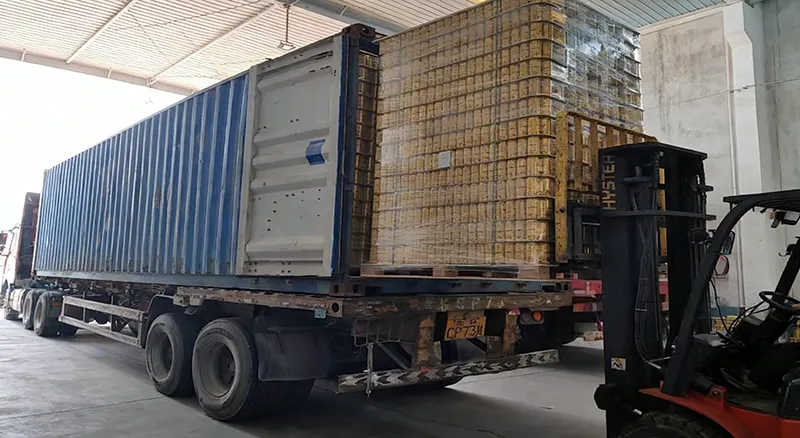
Speed-to-Market: Launch Faster, Iterate Smarter
The Traditional Timeline Problem
- In-house production introduces long lead times at every stage.
From tooling to testing, each phase is constrained by internal capacity and scheduling.
- OEM partners streamline the process with dedicated resources.
Specialized sampling lines and pre-configured production systems reduce delays.
The Prototyping Advantage
- Rapid prototyping capabilities allow brands to validate packaging designs and product compatibility before full-scale production.
OEM partners with dedicated sampling lines can produce small batches quickly, enabling real-world testing without large financial commitments.
- Shorter iteration cycles enable faster optimization of product-market fit.
Feedback from initial batches can be used to refine flavor profiles, branding elements, and packaging performance in subsequent runs.
- Time-sensitive launches become feasible with accelerated production timelines.
Seasonal campaigns, limited editions, and event-driven releases can be executed efficiently, allowing brands to capitalize on market opportunities.
- Reduced development risk improves overall launch success rates.
By testing before scaling, brands minimize the likelihood of costly mistakes in large production runs.
Supply Chain Resilience: Reducing Risk Through Integration
The Fragmentation Trap
- Managing multiple suppliers introduces communication inefficiencies and increases coordination complexity.
Each supplier may operate with different standards, timelines, and interpretations of specifications, leading to misalignment across the supply chain.
- Component mismatches between can bodies and lids can lead to functional failures.
Even minor inconsistencies in dimensions or materials can result in sealing issues, leakage, or reduced product shelf life.
- Quality inconsistencies are more likely when production is fragmented.
Variations in manufacturing processes and quality control standards across suppliers can impact the final product.
- Accountability gaps make problem resolution more difficult and time-consuming.
When defects occur, determining responsibility among multiple vendors can delay corrective actions and increase financial losses.
The Integrated Solution
- Single-source manufacturing ensures clear accountability and streamlined communication.
One supplier manages the entire process, reducing the risk of miscommunication and simplifying project management.
- Integrated design and testing improve compatibility between components.
Can bodies and lids are engineered together under the same system, ensuring optimal sealing performance and product integrity.
- Unified quality control systems enhance consistency across production batches.
Standardized inspection processes reduce variability and improve reliability.
- Coordinated production and logistics improve delivery timelines.
Integrated scheduling minimizes delays and ensures timely delivery to global markets.
Sustainability: Meeting Global Expectations
The Aluminum Advantage
- Aluminum cans are 100% infinitely recyclable without loss of quality, making them one of the most sustainable beverage packaging options globally.
Unlike plastic, which degrades after multiple recycling cycles, aluminum retains its material properties indefinitely. This means a used beverage can can return to the shelf as a new can in as little as 60 days, forming a true closed-loop recycling system that aligns with global circular economy goals.
- Recycling aluminum saves up to 95% of the energy required for primary aluminum production.
This dramatic reduction in energy consumption translates directly into lower carbon emissions. For beverage brands operating in markets with strict carbon reporting requirements, using aluminum cans significantly contributes to meeting ESG and sustainability targets.
- Global recycling infrastructure for aluminum is highly developed and efficient.
In major markets such as Europe and North America, aluminum can recycling rates exceed 70%, far higher than plastic alternatives. This ensures a stable supply of recycled material and strengthens the long-term sustainability of aluminum packaging.
- Consumer preference is increasingly shifting toward environmentally responsible packaging.
Modern consumers, especially Gen Z and millennial buyers, actively choose products with recyclable and sustainable packaging. Aluminum cans provide a strong environmental narrative that brands can leverage in marketing and product positioning.
OEM Leadership in Lightweighting
- Advanced engineering reduces material usage while maintaining structural integrity.
Lightweight cans use less aluminum without compromising performance.
- Reduced weight lowers transportation costs and environmental impact.
More units can be shipped per container, improving logistics efficiency.
- Sustainability improvements align with regulatory requirements and consumer expectations.
Brands benefit from improved environmental credentials.
Quality and Consistency
- Tighter dimensional tolerances ensure compatibility with high-speed filling lines.
Precision manufacturing reduces the risk of operational disruptions and improves efficiency during the filling process.
- Advanced internal coatings protect beverage quality and extend shelf life.
High-performance coatings prevent corrosion and preserve taste, especially for acidic or carbonated beverages.
- Automated inspection systems ensure consistent quality at scale.
High-speed vision systems detect defects in real time, ensuring only compliant products reach the market.
- Full traceability systems enable effective quality management and recall control.
Each batch can be tracked back to raw materials, allowing rapid response to any issues.
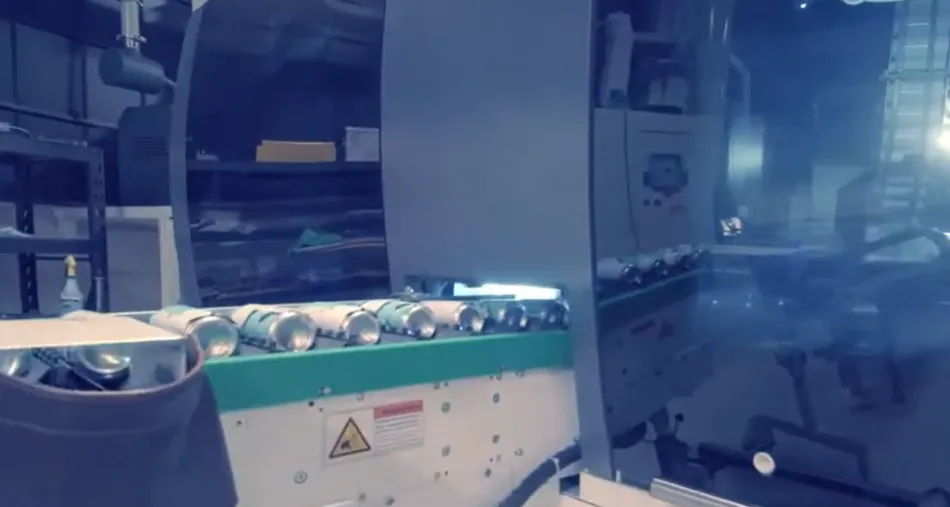
Flexibility: Scaling with Your Brand
- Ultra-low MOQ (1–1,000 cans) enabled by digital printing supports concept validation and niche marketing.
This level is ideal for startups testing new formulations, limited-edition collaborations, or event-specific packaging such as music festivals and corporate promotions.
- Mid-range MOQ (10,000–70,000 cans) provides a balance between cost efficiency and flexibility.
At this level, brands can conduct regional market tests while benefiting from more competitive unit pricing and improved production efficiency.
- High-volume MOQ (300,000+ cans) delivers the lowest unit cost for established brands.
Large-scale production is best suited for national or international distribution, where demand is predictable and economies of scale can be fully realized.
- Flexible MOQ strategies allow brands to scale progressively rather than committing upfront.
By starting with smaller orders and increasing volume based on market performance, brands can reduce financial risk and optimize inventory management.
Case Study: From Test to National Rollout
Phase 1 – Market Test
- Small-scale production enables low-risk validation of product-market fit.
By launching with a single container, the brand minimizes financial exposure while gathering real-world sales data and consumer feedback.
- Fast turnaround time ensures quick entry into test markets.
Rapid production and delivery allow brands to capitalize on emerging trends and seasonal demand.
Phase 2 – Regional Expansion
- Data-driven improvements enhance product competitiveness.
Adjustments to sweetness, flavor balance, and packaging design are based on actual consumer preferences.
- Increased production volume reduces unit cost and improves margins.
Scaling up allows brands to negotiate better pricing and improve profitability.
Phase 3 – National Rollout
- Scalable production capacity ensures consistent supply across multiple regions.
Reliable OEM partners can support rapid expansion without compromising quality or delivery timelines.
- Logistics optimization reduces overall distribution costs.
Lightweighting and container optimization improve shipping efficiency and lower per-unit freight expenses.
Conclusion & Action Plan
Key Takeaways:
- Clearly define your packaging requirements based on target market and product positioning.
Consider factors such as can size, coating requirements, regulatory compliance, and branding needs to ensure alignment with your overall business strategy.
- Conduct a total cost of ownership (TCO) analysis comparing OEM and in-house production.
Include not only unit costs but also capital expenditure, operational overhead, and risk factors to make an informed decision.
- Shortlist and evaluate multiple OEM suppliers using standardized criteria.
Assess capabilities such as production capacity, certifications, quality control systems, and delivery performance.
- Request samples and perform compatibility testing with your filling line.
Validate dimensions, sealing performance, and coating integrity before committing to large-scale production.
- Establish a long-term partnership with a reliable OEM manufacturer.
Strong supplier relationships improve consistency, enable better pricing, and support future growth.
👉 Contact us to get a customized aluminum can OEM solution.
FAQ
What is aluminum can OEM manufacturing?
It is a model where beverage brands outsource can production to specialized manufacturers.
What is the typical MOQ?
Ranges from 1 container (50,000+) to 300,000+ depending on supplier.
Is OEM more cost-effective?
Yes, especially when considering total cost of ownership.
How to choose the right OEM supplier?
Evaluate integration capability, quality control, certifications, and delivery performance.